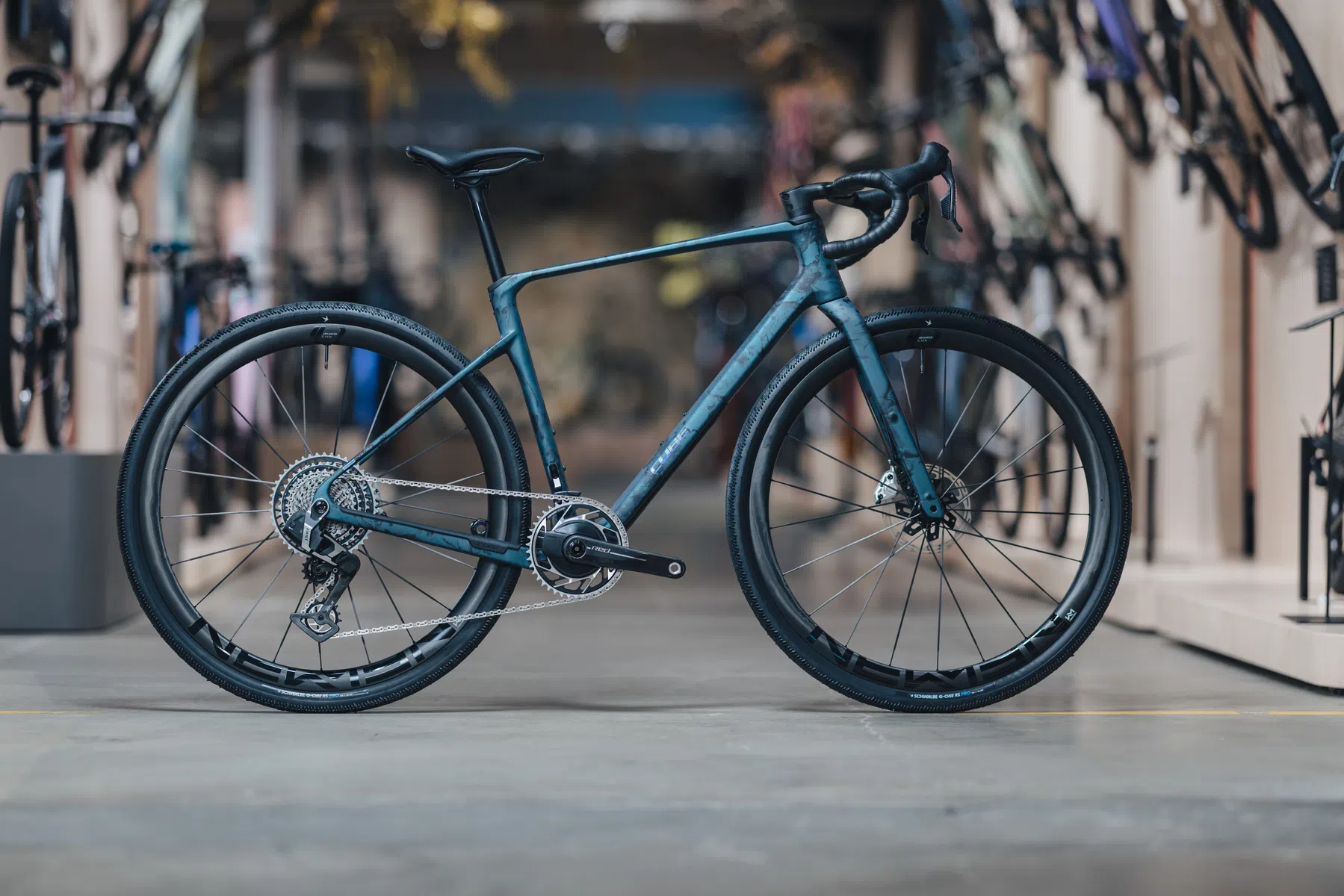
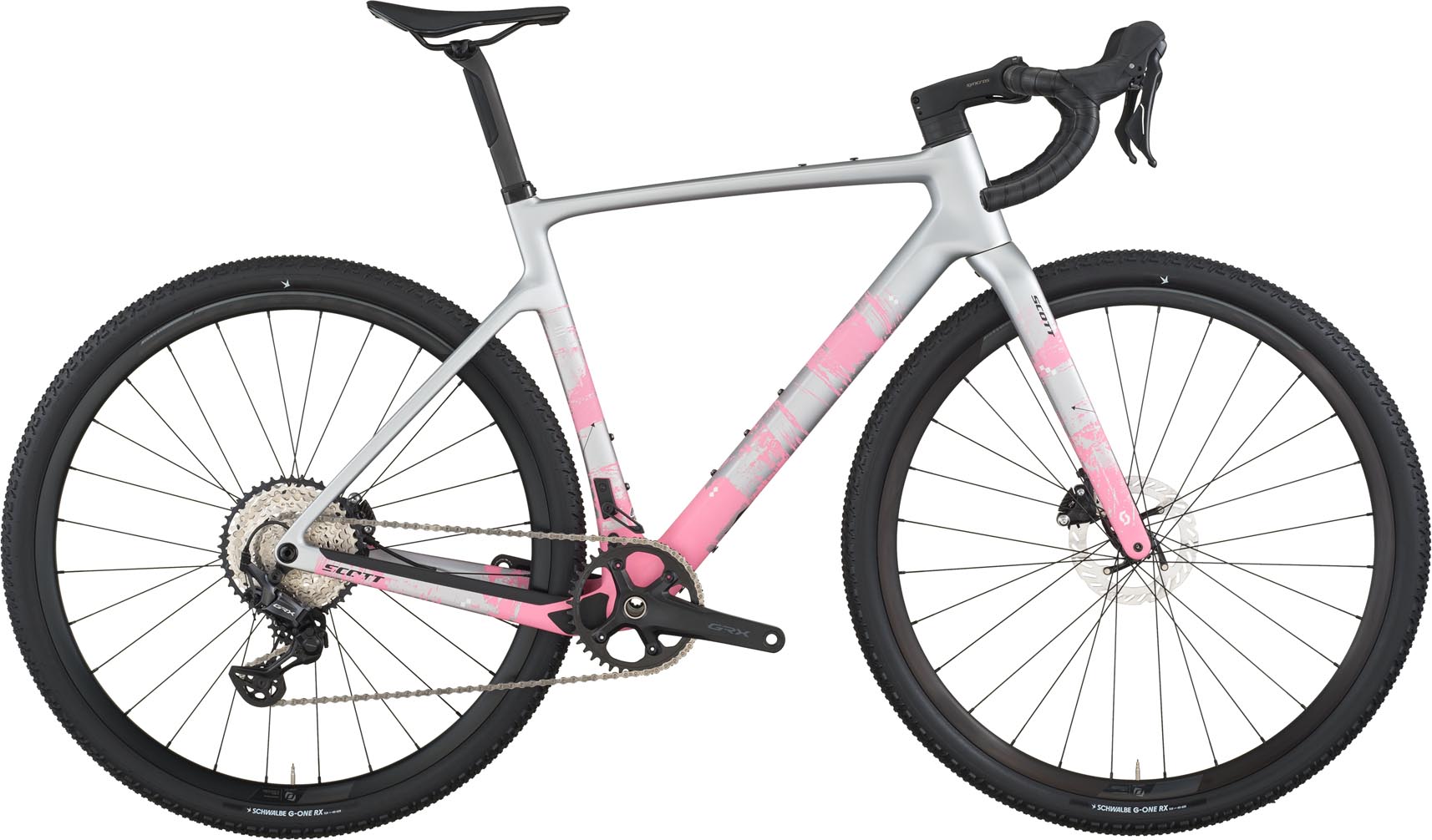
Gravel's buzz in the U.S. is undeniable, from modern landscaping to extreme gravel biking. This versatile material, famed for its durability, affordability, and aesthetic range, is a critical component in infrastructure, drainage, and sustainable design. Discover why this essential aggregate is experiencing a notable resurgence across America, enhancing both functional spaces and outdoor adventures. Explore its diverse forms, applications, and environmental considerations as demand grows.
The article structure is meticulously designed to be scannable and user-friendly, directly addressing the core "Why," "Is," "Where," "When," "Who," and "How" search intents of our U.S. target audience. By utilizing natural, question-based headings, we ensure that readers can quickly navigate to the information most relevant to their queries, providing immediate, comprehensive answers. This approach is optimized for readability and SEO, catering to the modern American user's preference for direct and accessible content.
From the crunch underfoot on a pristine pathway to the sturdy base of a new road, gravel has been an unsung hero of human civilization for millennia. Yet, in the modern era of 2026, this humble aggregate is experiencing an unprecedented surge in popularity across the United States. No longer just a utilitarian filler, gravel has emerged as a star player in sustainable landscaping, cutting-edge architectural design, and the rapidly growing sport of gravel biking. Its widespread relevance touches everyone from urban planners and homeowners to outdoor enthusiasts and DIY aficionados, making it a compelling subject for exploration. For Gen-Z and Millennials, gravel embodies both practical sustainability and a connection to outdoor adventure, aligning perfectly with contemporary values of environmental consciousness and active lifestyles. Its current buzz reflects a broader appreciation for natural, resilient, and versatile materials that offer both form and function.
What is Gravel?
Gravel refers to an accumulation of loose, fragmented rock particles larger than sand but smaller than cobbles. Typically, these particles range in size from 2 millimeters (0.079 inches) to 64 millimeters (2.5 inches). It is a naturally occurring material, often found in riverbeds, lakeshores, and glacial deposits, but it is also produced industrially through the crushing of larger rocks. Its composition can vary widely depending on the geological source, influencing its color, texture, and durability. This foundational aggregate is distinct from sand, which is finer, and from crushed stone, which is typically angular and mechanically produced, though often categorized loosely under the umbrella of "gravel" in commercial applications.
How is Gravel Formed and Sourced?
Naturally, gravel is formed through the weathering and erosion of larger rocks, with water and glacial ice playing significant roles in breaking down and transporting rock fragments. Over long periods, these processes smooth and round the edges of the particles. Industrially, much of the gravel used today is produced from quarries where bedrock, such as limestone, granite, or basalt, is mined and crushed into various sizes. This manufactured gravel, often called "crushed stone," tends to have sharper, more angular edges compared to naturally weathered river rock. The sourcing process involves extraction, crushing, screening into different sizes, and transportation to end-users, with environmental regulations increasingly impacting quarrying practices in the U.S. to ensure responsible extraction.
Where is Gravel Most Commonly Used in the U.S.?
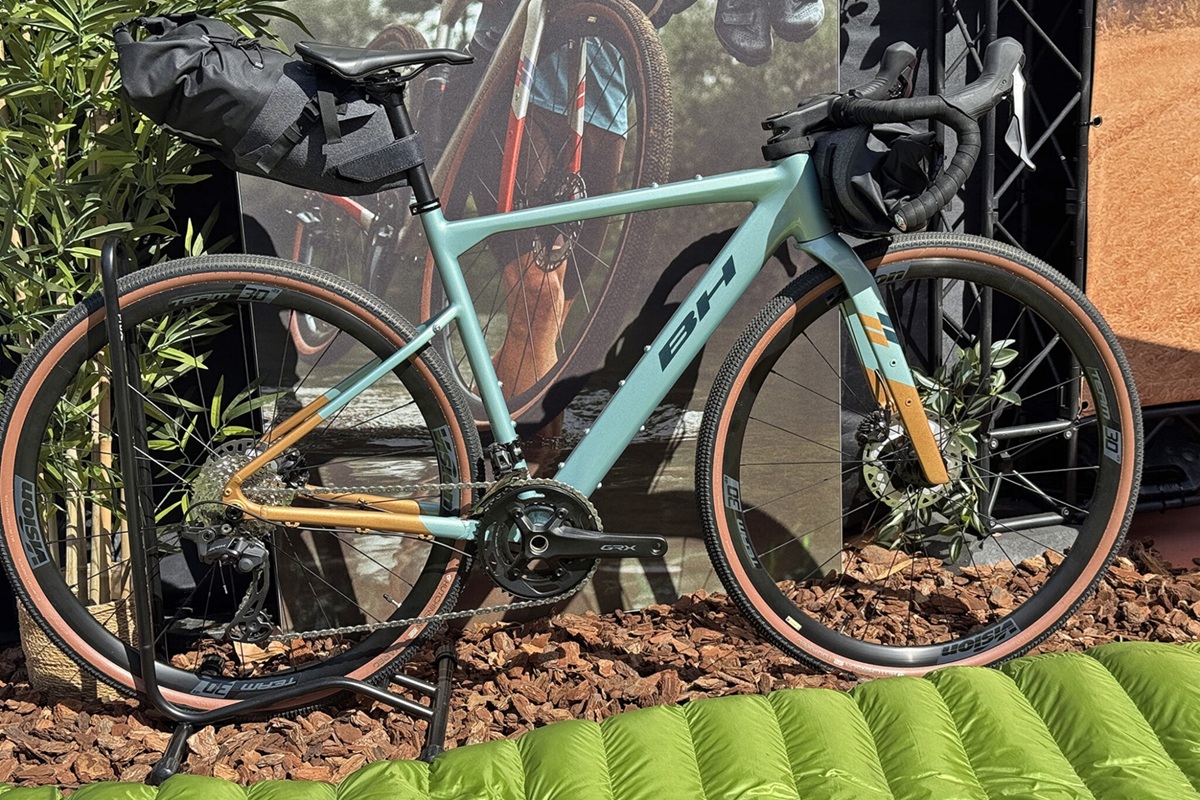
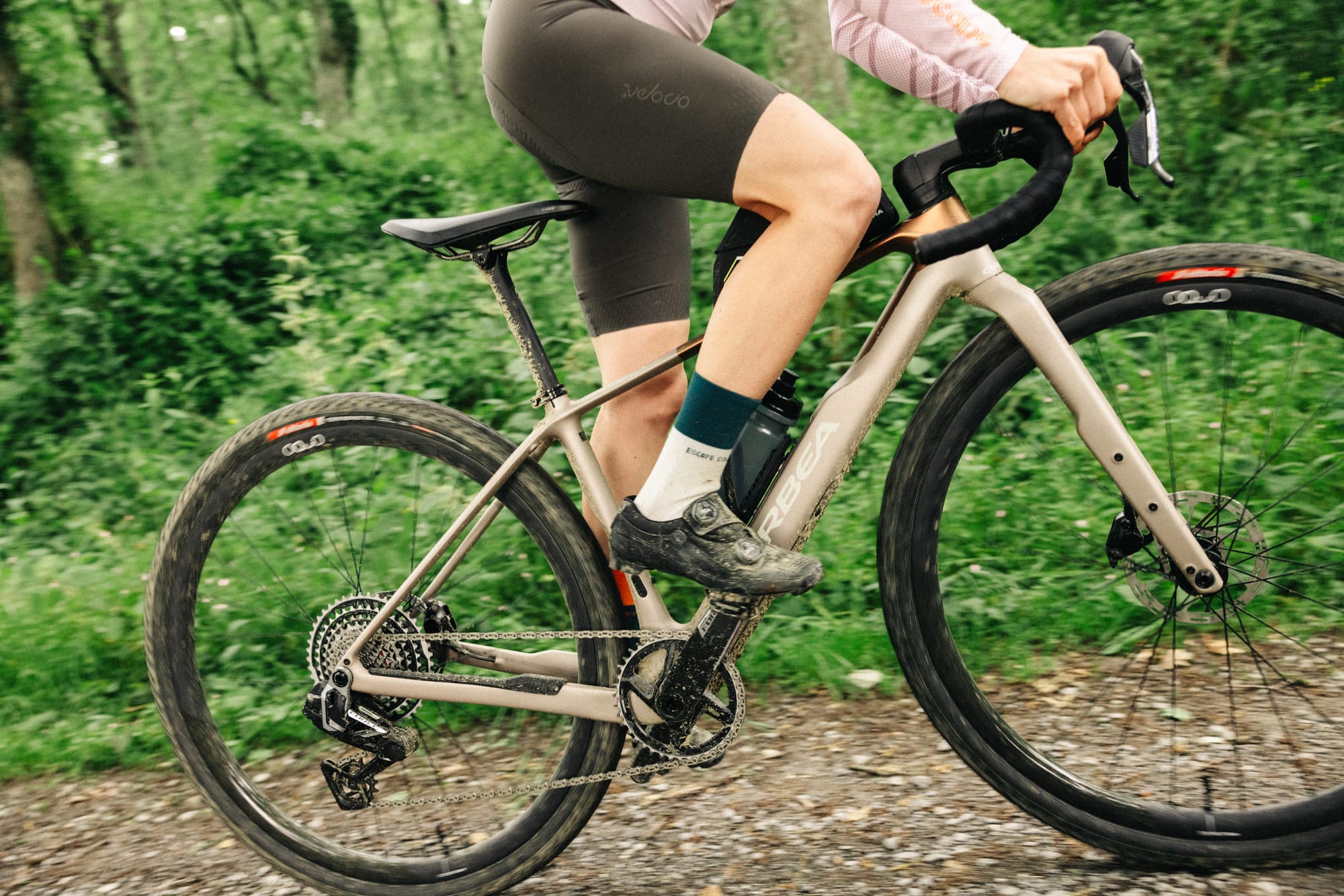
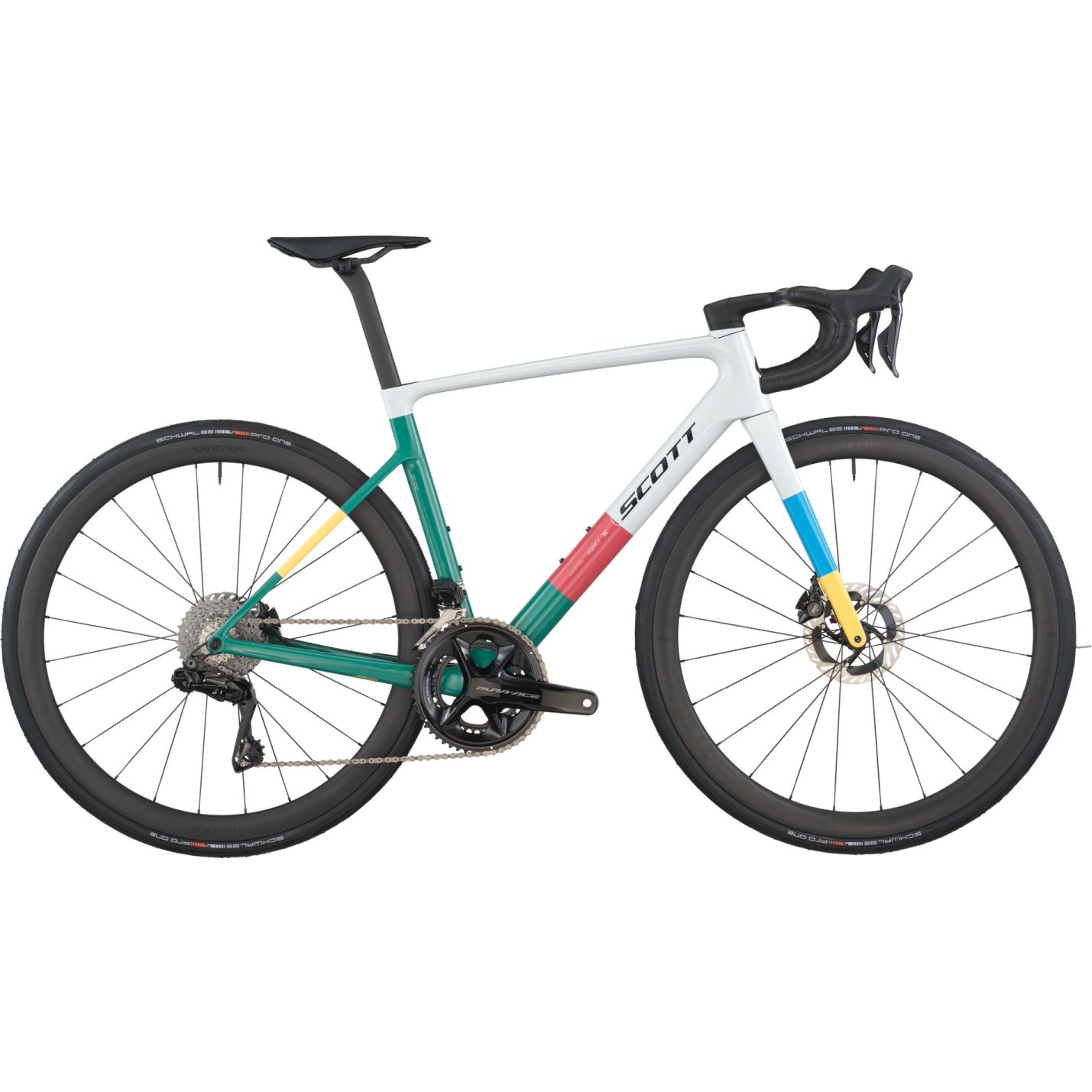
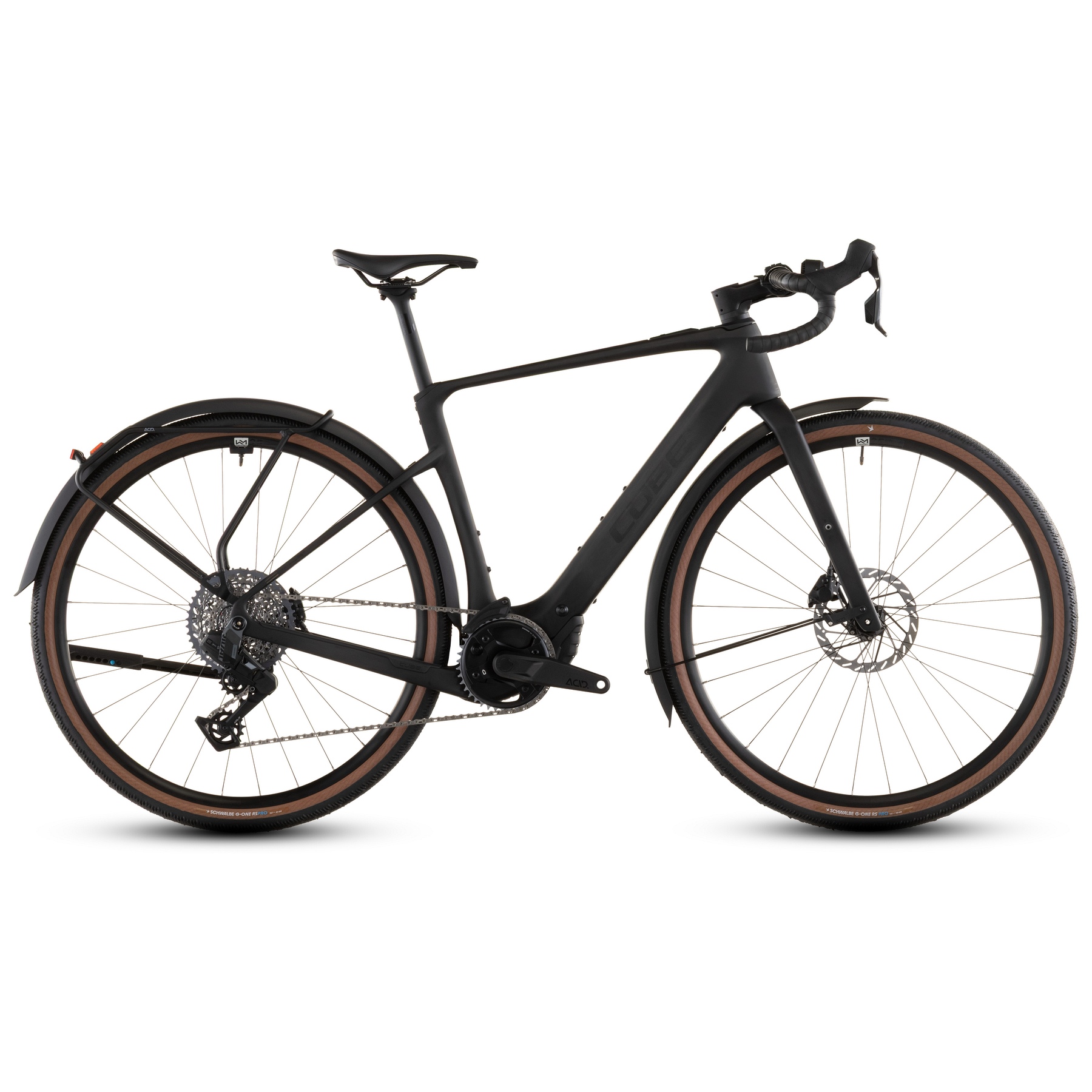
In the United States, gravel's applications are incredibly diverse. It forms the backbone of countless infrastructure projects, serving as a sub-base for roads, railways, and foundations. In residential and commercial landscaping, it's popular for driveways, pathways, patios, and drainage systems, favored for its low maintenance and aesthetic appeal. The burgeoning sport of gravel biking relies on extensive networks of unpaved roads and trails, making gravel a key element for outdoor recreation. Furthermore, it's vital in concrete production, as filter material in water treatment, and in various agricultural applications. Its omnipresence reflects its fundamental utility across construction, design, and leisure sectors.
Why is Gravel Trending Now?
Gravel's current trending status in the U.S. can be attributed to several factors. There's a growing preference for sustainable and natural landscaping solutions, where permeable gravel surfaces help manage stormwater runoff, reducing urban flooding. The rise of DIY home improvement projects has also driven demand, as gravel offers an affordable and relatively easy-to-install option for aesthetic upgrades. Environmentally conscious consumers appreciate its natural origins and potential for local sourcing. Furthermore, the explosion of gravel biking as a mainstream sport has created a new cultural appreciation for gravel roads and trails, promoting their preservation and expansion across rural America. This combination of practicality, sustainability, and recreational appeal positions gravel as a highly relevant material in 2026.
Is Gravel a Sustainable Choice?
Gravel can be a highly sustainable material, particularly when sourced locally and managed responsibly. Its use in permeable pavements helps reduce impervious surfaces, allowing rainwater to infiltrate the ground and recharge aquifers, thus mitigating urban heat island effects and stormwater pollution. It requires minimal processing compared to other construction materials like concrete or asphalt, reducing embodied energy. Additionally, recycled concrete and asphalt can be crushed into aggregate resembling gravel, further enhancing its eco-friendly credentials. However, the sustainability of gravel also depends on quarrying practices, transport distances, and the ecological impact on extraction sites, making responsible sourcing a key consideration.
Does Gravel Have Environmental Impacts?
While gravel offers many environmental benefits, its extraction and use can also have impacts. Quarrying operations can lead to habitat disruption, dust pollution, noise, and changes in local hydrology if not properly managed. Heavy truck traffic associated with transporting gravel contributes to carbon emissions. In certain applications, particularly if not properly contained or managed, gravel can erode and enter waterways, potentially affecting aquatic ecosystems. However, advancements in quarry rehabilitation, stricter environmental regulations, and the increasing adoption of best management practices aim to minimize these negative impacts. The balance lies in responsible sourcing, proper installation, and leveraging gravel's permeable qualities for ecological advantage.
Who Uses Gravel?
The users of gravel are incredibly diverse, spanning various industries and individual applications. Construction companies rely on it for foundations, roads, and drainage. Landscapers and homeowners utilize it for decorative purposes, pathways, and driveways due to its aesthetic appeal and low maintenance. Farmers use it for agricultural roads and drainage. Municipalities employ it for public infrastructure, parks, and trails. Beyond these practical applications, a rapidly growing community of gravel bikers and outdoor enthusiasts actively seeks out and uses gravel routes for recreation and competitive sport. This broad user base underscores gravel's universal utility and enduring relevance across American society.
Can Gravel Be Used for Modern Design?
Absolutely. Gravel has transcended its traditional utilitarian roles to become a staple in modern landscape architecture and design. Its natural texture, diverse color palette (from cool grays to warm earth tones), and adaptability make it a popular choice for creating minimalist, Japanese-inspired gardens, contemporary permeable driveways, and sculptural garden features. Designers value its ability to create clean lines, define spaces, and provide a low-maintenance, drought-tolerant alternative to traditional lawns. When combined with concrete pavers, corten steel, or natural wood, gravel adds an organic yet sophisticated element, embodying the modern aesthetic of blending natural materials with sleek, functional design.
People Also Ask About Gravel
What is the average cost of gravel? The average cost of gravel in the U.S. typically ranges from $20 to $60 per ton, or $15 to $75 per cubic yard, depending on the type, size, quantity, and your location. Decorative or specialty gravels can be more expensive, while crushed stone or fill gravel is generally on the lower end. Delivery fees often add to the overall expense, making local sourcing a cost-effective choice.
How deep should a gravel driveway be? For a durable gravel driveway, a typical depth of 6 to 12 inches is recommended, built up in layers. This usually consists of a compacted base layer of larger crushed stone (4-6 inches), followed by one or two layers of smaller, more decorative gravel (2-3 inches each). Proper preparation of the sub-base and adequate drainage are crucial for longevity.
Does gravel prevent weeds? While gravel can certainly help suppress weeds by blocking sunlight and making it harder for seeds to germinate, it does not entirely prevent them. Weeds can still grow on top of gravel, especially if organic debris accumulates, providing a growing medium. Using a landscape fabric or weed barrier beneath the gravel layer significantly enhances weed prevention efforts.
What are the best types of gravel for a patio? For patios, popular gravel choices include pea gravel, decomposed granite, and smaller river rocks. Pea gravel offers a smooth, comfortable surface for walking and a natural aesthetic. Decomposed granite compacts well to create a firm, stable surface. Smaller river rocks provide good drainage and a decorative, organic look. Considerations like foot comfort, drainage, and aesthetic preference should guide your selection.
Is gravel suitable for heavy traffic areas? Yes, certain types of gravel are highly suitable for heavy traffic areas like driveways and parking lots. Crushed stone, particularly angular varieties like crusher run or bluestone, interlocks well when compacted, creating a stable and durable surface. Proper base preparation, adequate depth, and regular maintenance are essential to ensure its performance under heavy use.
How often does a gravel driveway need maintenance? A gravel driveway typically requires maintenance every 1-2 years, though this can vary depending on usage, weather, and the original installation quality. Maintenance often involves raking and redistributing the gravel, filling in potholes or low spots, and occasionally adding a fresh layer of material. Addressing drainage issues promptly also extends the life and quality of the driveway.
FAQ Section
Q1: What is the difference between gravel and crushed stone?
A1: While often used interchangeably, natural gravel typically refers to rounded, water-worn rock fragments. Crushed stone, however, is produced by mechanically crushing larger rocks, resulting in more angular, irregular pieces that interlock better for compaction and stability in construction applications. Both are types of aggregate, but their formation and resulting characteristics differ.
Q2: Can gravel be used for garden beds instead of mulch?
A2: Yes, gravel can be an effective alternative to organic mulch in garden beds, especially in arid climates or for plants that prefer drier conditions, like succulents or Mediterranean flora. It provides excellent drainage, prevents soil erosion, and can suppress weeds. However, it doesn't add nutrients to the soil and can absorb and radiate heat, potentially stressing some plants. Using a permeable landscape fabric beneath is recommended.
Q3: How do I calculate how much gravel I need?
A3: To calculate gravel needs, first measure the length, width, and desired depth of your area in feet. Multiply these three measurements to get the volume in cubic feet. Then, divide the cubic feet by 27 to convert it into cubic yards (since there are 27 cubic feet in a cubic yard). Most gravel is sold by the ton or cubic yard, so this calculation provides an accurate estimate for ordering.
Q4: What are the benefits of using permeable gravel for driveways?
A4: Permeable gravel driveways offer significant environmental benefits by allowing rainwater to seep into the ground naturally, reducing stormwater runoff, and alleviating pressure on drainage systems. This helps prevent localized flooding, replenishes groundwater, and filters pollutants. They also require less impervious surface coverage, contributing to more sustainable site design.
Q5: What is gravel biking and why is it so popular?
A5: Gravel biking is a rapidly growing cycling discipline that combines elements of road cycling and mountain biking. It involves riding on unpaved roads, dirt tracks, and fire trails using specialized bikes designed for comfort and capability on varied terrain. Its popularity stems from the adventure of exploring diverse landscapes, escaping heavy road traffic, and enjoying a challenging yet accessible form of outdoor exercise.
Q6: Are there different colors of gravel available?
A6: Yes, gravel comes in a wide array of colors, influenced by the mineral composition of the source rock. Common colors include various shades of gray, white, tan, brown, red, and even black. This diversity allows for significant aesthetic customization in landscaping and design, enabling creators to match or contrast with existing architectural elements or natural surroundings.
Q7: How do I maintain a gravel pathway?
A7: Maintaining a gravel pathway involves regularly raking to redistribute the gravel and smooth out any uneven spots or ruts. Removing weeds, either manually or with a weed barrier, is also crucial. Over time, some gravel may migrate or settle, necessitating the addition of a fresh layer every few years to maintain the desired depth and appearance. Ensuring proper edge restraints can also minimize gravel spread.
Q8: Can gravel be recycled or repurposed?
A8: Yes, gravel is highly recyclable. Old gravel from construction or landscaping projects can be screened and cleaned for reuse in new applications, often as a base material or fill. Concrete and asphalt can also be crushed into aggregate that functions similarly to gravel. This repurposing reduces waste, conserves natural resources, and lessens the environmental impact associated with new extraction.
Q9: What are common mistakes to avoid when installing gravel?
A9: Common mistakes include inadequate site preparation (not clearing vegetation or leveling the ground), insufficient sub-base compaction, failing to install proper edge restraints, and using the wrong type or size of gravel for the intended application. Neglecting drainage considerations and skimping on the depth of the gravel layers can also lead to issues like rutting, migration, and poor performance over time.
Q10: What role does gravel play in sustainable urban planning?
A10: In sustainable urban planning, gravel is crucial for creating permeable surfaces such as parking lots, pathways, and green roofs. These surfaces allow rainwater to infiltrate the soil, reducing stormwater runoff volume and pollution, and mitigating the urban heat island effect. It supports green infrastructure initiatives by promoting natural hydrological cycles and reducing the burden on conventional drainage systems, leading to more resilient urban environments.
Q11: How does the type of gravel affect drainage?
A11: The type and size of gravel significantly impact drainage. Larger, more angular gravels (like crushed stone) create larger void spaces between particles, allowing water to pass through quickly and efficiently. Smaller, more rounded gravels (like pea gravel) can still drain well but may compact more, potentially reducing permeability over time. Proper compaction and layering are key to maximizing drainage efficiency.
Q12: Is gravel better than mulch for trees and shrubs?
A12: Whether gravel is "better" than mulch for trees and shrubs depends on climate, plant needs, and aesthetic goals. Gravel offers excellent weed suppression, heat retention (beneficial in cooler climates), and low maintenance. However, organic mulch provides nutrients as it decomposes, regulates soil temperature more effectively, and improves soil structure. For moisture-loving plants or in hot climates, organic mulch is often preferred, while gravel suits drought-tolerant species or fire-prone areas.
Conclusion: The Enduring Allure of Gravel
As we navigate the mid-2020s, gravel's journey from a basic construction material to a symbol of sustainable living and outdoor adventure is remarkable. Its versatility ensures its continued relevance across a multitude of applications, from urban infrastructure to recreational trails. With a growing emphasis on environmental responsibility and a renewed appreciation for natural elements, gravel is poised to remain a cornerstone of American development and leisure, constantly evolving to meet the demands of a modern world. Its simple beauty and profound utility promise an enduring legacy for generations to come.
- Who is Kateryna Vyshneva? Trending Actress & Philanthropist
- Who is Luke Combs? The Country Star's Journey to Fame
Versatile aggregate, trending in US landscaping and recreation, sustainable applications, diverse types and uses, crucial for infrastructure and drainage, key material for gravel biking.
Gravel 2026 Les V Los Qui Vont Vraiment Marquer L Ann E Analyse Terrain GP Trek Checkout SL7 .webpWhat Makes Gravel So Essential For 2026 Projects Velo Gravel Carbone Cervelo Aspero Rival Xplr Axs 1 Marigold 13v 2026 What Makes Gravel So Essential For 2026 Projects 11735 Ice Blue Prism4 2026 Cube Nuroad Hybrid C 62 Slx 400x Fe Electric Road Gravel Bike In Ice Blue Prism
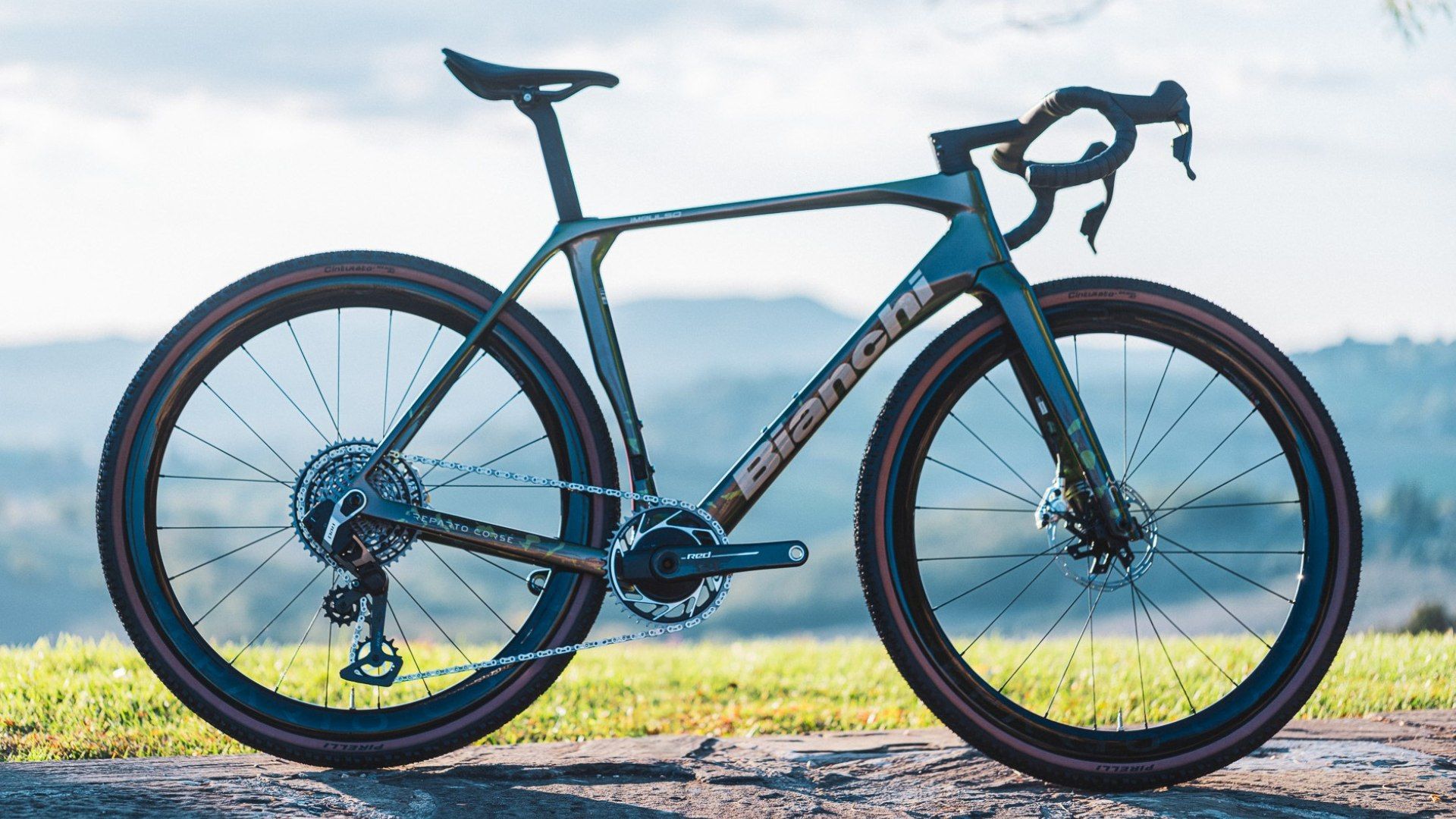
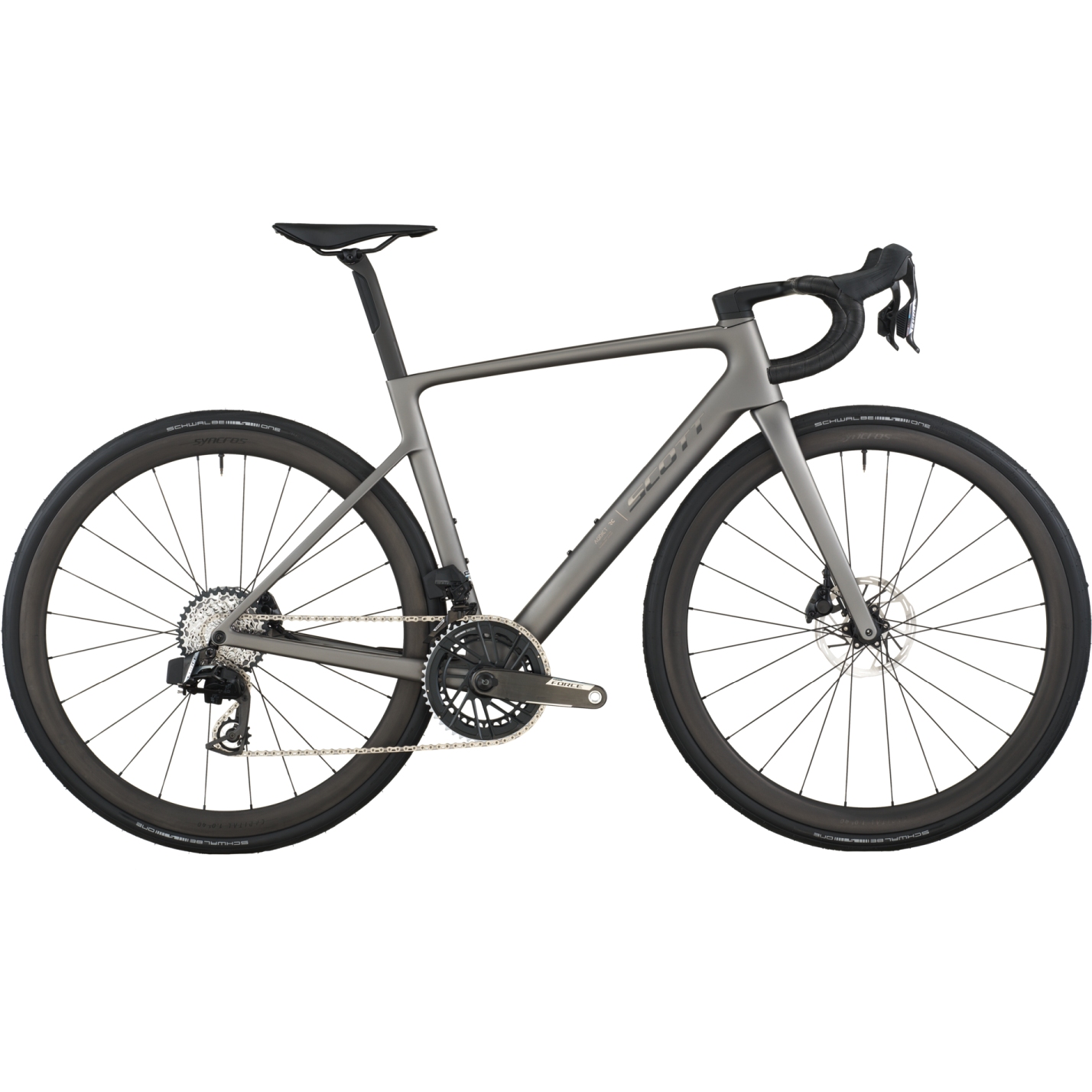
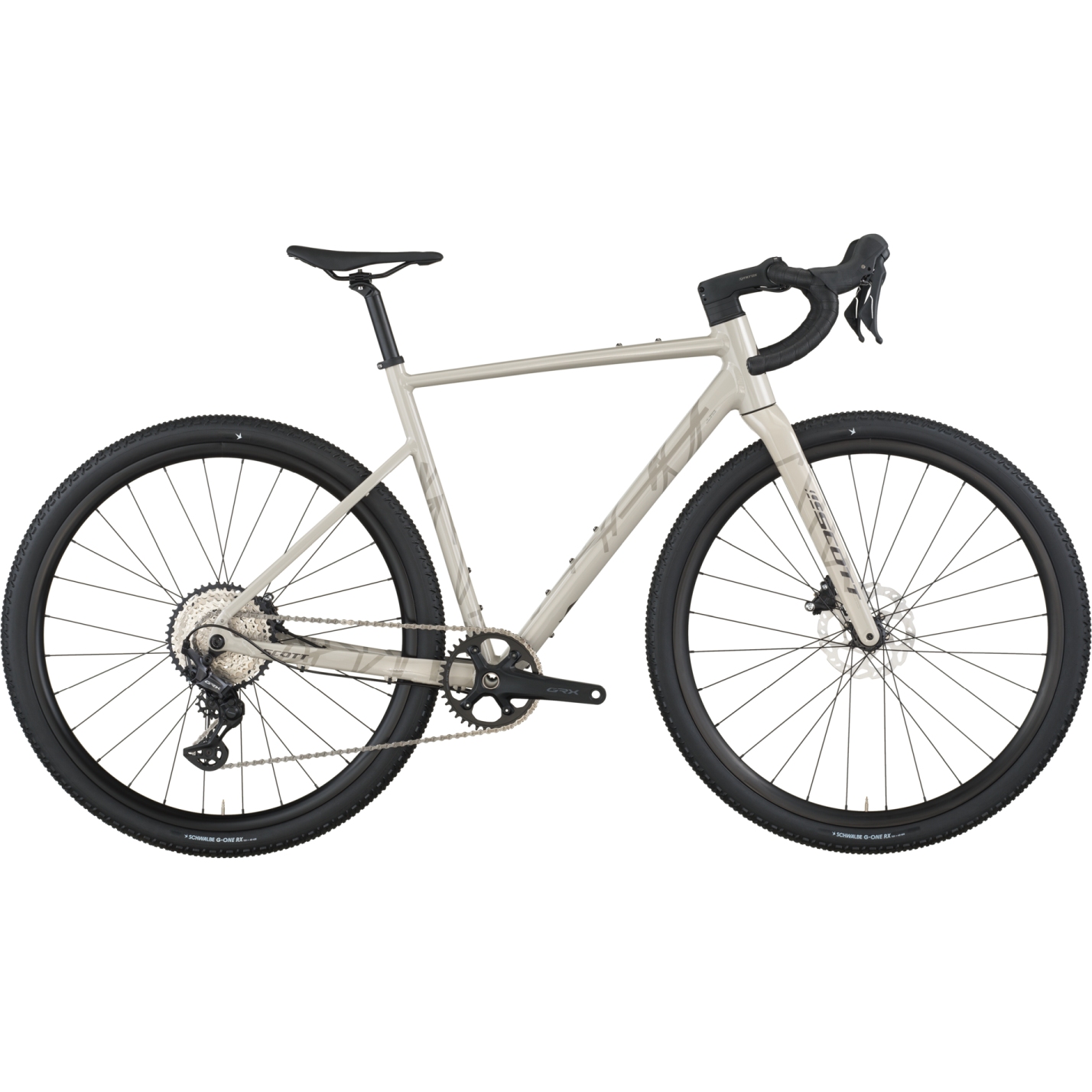
As Es La Gama Gravel 2026 De Bianchi Nuevos Modelos Y C Asi Es La Gama Gravel 2026 De Bianchi Nuevos Modelos Y Colores Innovadores 2026 Gravelking UCI Gravel World Series Expands To A Record 45 Events 2026 Uci Gravel Series What Makes Gravel So Essential For 2026 Projects Scott Addict Rc Team 01 1932520 Bicicleta SCOTT Addict Gravel 10 2026 Bicicleta Scott Addict Gravel 10 2026
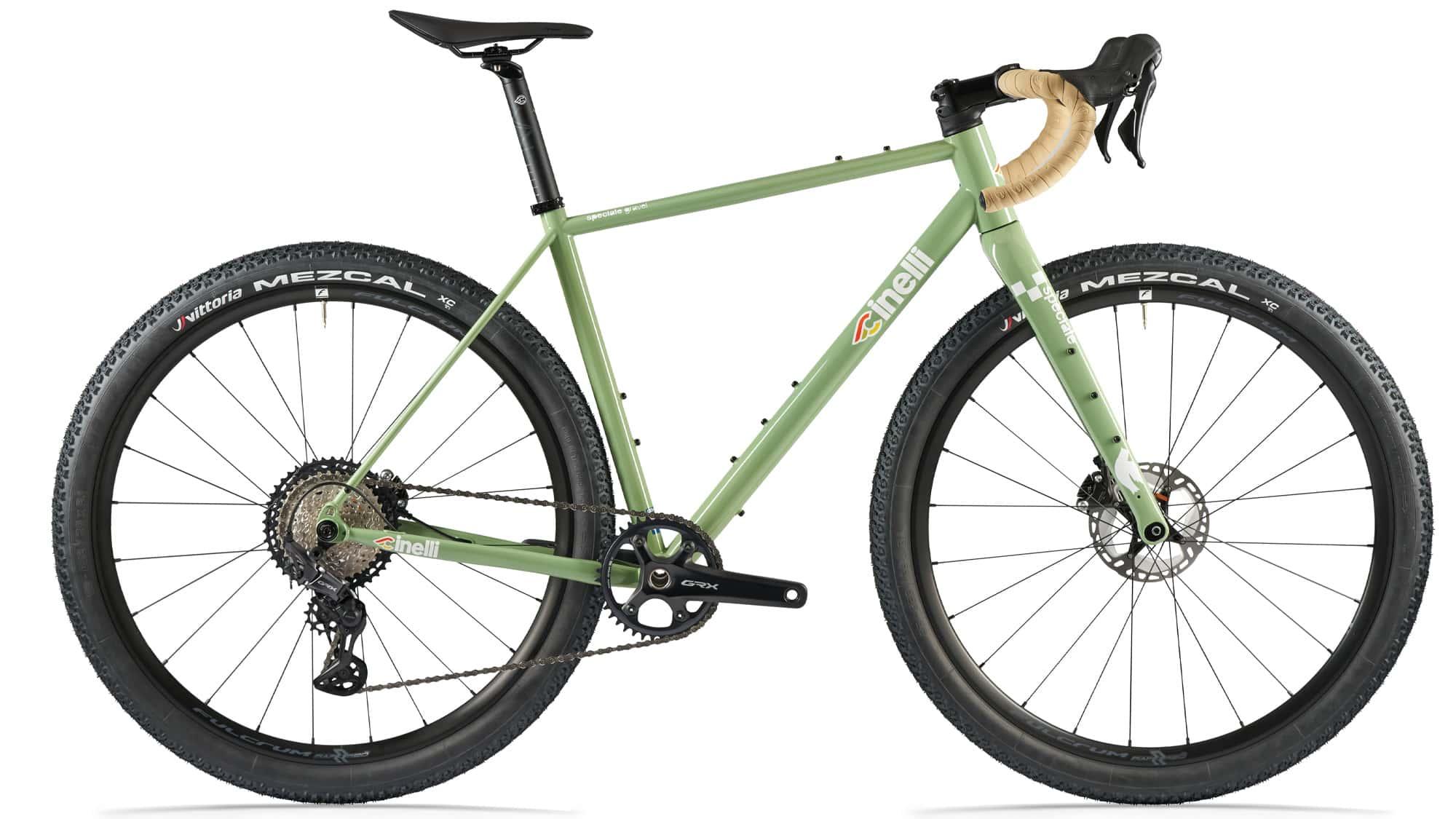
What Makes Gravel So Essential For 2026 Projects Ktm Gravelator 10 2026 Scott Addict Gravel RC Gravel Bike 2026 In Carbon Black 4253633020a 2260686 Cinelli Speciale Gravel 2026 Exclusive Eurobike Limited Edition Reveal 13087 Cinelli Speciale Gravel Teases 2026 Bike Drop Available Now As Eurobike Limited Edition Unbound Gravel 2026 The Ultimate Tire Gear Setup Guide CrankSmith Blog Image
Massive 2026 Gravel Events Calendar Confirmed AusCycling 20250426 AusCycling Gravel Nationals 24 NEW Top 20 Best Gravel Bikes For 2026 DIFFERENT Brands Part 1 Of 2 Scott Addict Gravel 30 Carbon Grey 2026 Gravel Bike L Scott Addict Gravel 30 Carbon Grey 2026 Gravel Bike 00 SCOTT ADDICT GRAVEL 40 Gravel Bike 2026 Wenge Green BIKE24 Scott Addict Rc 01 1932432
Rose Backroad 2026 Gravel Bestseller Vollgepackt Mit Neuheiten Backroad Carbon 024 Specialized Crux Comp 2026 Gravel Bike Carbon 56cm 22 56 Cm VS6034 4 Specialized Crux Comp 2026 Gravel Bike Carbon 4.webpArd Che Gravel 2026 Parcours Infos Inscription Et D Tails Sur Cette Gravel Fever Unbound Gravel 2026 Cyclingnews 1024 80
2026 UCI Gravel World 2026 Otc Real West Gravel Cube 2026 Nieuwe Modellen Race Mtb Gravel CUBE NUROAD HYBRID C 62 SLX 400X Carbon Electric Gravel Bike 2026 117260 1 1945324 V Lo Gravel Carbone Cerv Lo Spero Apex XPLR AXS 1 Black Charcoal 12v 2026 Velo Gravel Carbone Cervelo Aspero Apex Xplr Axs 1 12v 2026
Specialized DIVERGE 4 SPORT Gravel Bike 2026 Satin Burnt Gold 91426 30 Crux Expert Axs Gryblu Lgnblu Dunewht 05 1914961 Scott Addict Gravel RC 2026 Carbon Black CykelBiksen Dk Ride4fun.dk Images Scott 4253633020 TOP 15 New BEST GRAVEL Bikes For 2026 From EUROBIKE 2025 Part 2 YouTube Specialized Crux Comp 2026 Gravel Bike Carbon 54cm 21 25 54cm VS6034 3 Specialized Crux Comp 2026 Gravel Bike Carbon.webp
Cube Gravel 2026 E Bikego It CUBE 2026 GRAVEL EX R 1024x614 Gravel 2026 Les V Los Qui Vont Vraiment Marquer L Ann E Analyse Terrain GP Sunn Venture Air Finest SCOTT SPEEDSTER GRAVEL 10 Gravel Bike 2026 Taupe Beige BIKE24 Scott Speedster Gravel 10 01 1961612 AWARD WINNER GRAVEL 2026 Primus Bike Center Focus Atlas 8 9 V2
Gamma Bianchi Gravel 2026 Arrivano I 2 Nuovi Modelli Arcadex AL E Via F 0998 1024x683 BMC URS AMP TWO Electric Gravel Bike 2026 Metallic Grey Black Urs Amp Two Metallic Grey Black 1 1911195 Nuova Gravel BH GravelX AL 2026 Prezzo Versioni Scheda Tecnica Bh Gravel X 2026 Prova Test In For Review Orbea Terra 2026 Gravel Bike TERRA SUVI LOPONEN 8