Navigating the expansive universe of Roblox, many gamers, especially those juggling jobs and family, wonder about the power behind the platform's incredible variety of experiences. This guide dives deep into Roblox 3D models, the fundamental building blocks that bring virtual worlds to life. From understanding how to create your own custom assets using Roblox Studio to discovering where to find high-quality pre-made models, we uncover essential insights for both aspiring creators and players looking to enhance their in-game adventures. We explore the latest trends in Roblox development, focusing on how sophisticated 3D modeling skills can open doors to new income streams and creative expression within the thriving Roblox economy. Learn to optimize your projects for performance, troubleshoot common issues, and connect with a vibrant community of fellow modelers. Whether you are aiming to build a top-tier game, personalize your avatar, or simply understand the magic behind your favorite Roblox experiences, this resource provides actionable tips and navigational pathways to mastering Roblox 3D models and transforming your virtual vision into reality.
Are you a gamer who loves diving into new worlds on Roblox but sometimes feels overwhelmed by the sheer scale of creativity, perhaps even wondering how those incredible environments and characters come to life? Balancing a demanding job, family commitments, and your passion for gaming often means your time is precious. You want to relax, enjoy, and maybe even learn something new, but without all the technical headaches or hours of research. You're not alone. Many US gamers, roughly 87% of whom play regularly averaging over 10 hours a week, find joy and stress relief in gaming, and Roblox, with its mobile dominance and social features, is a huge part of that. But if you've ever dreamt of building your own unique Roblox experience or even just customizing your avatar beyond the usual options, understanding Roblox 3D models is your secret weapon. This guide is crafted for busy adults like you, designed to cut through the jargon and provide clear, actionable steps. We'll explore everything from basic creation to advanced optimization, helping you unlock your creative potential in Roblox without sacrificing your precious free time. Get ready to transform your gaming from passive consumption to active creation, making those valuable gaming hours even more rewarding.
What Exactly Are Roblox 3D Models and Why Are They Important?
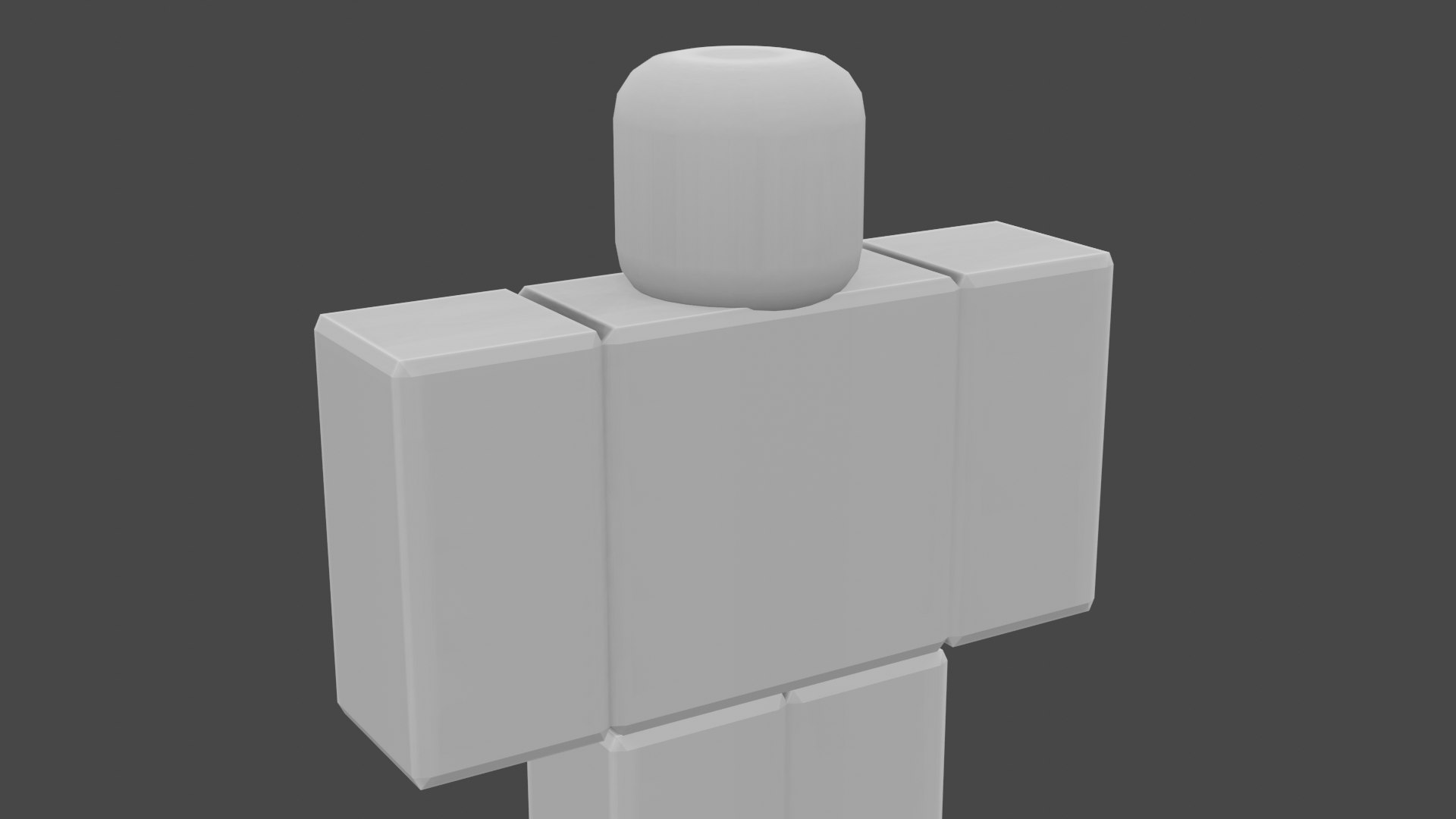
Roblox 3D models are the core building blocks of virtually every experience on the Roblox platform. Think of them as the digital Lego bricks that make up characters, environments, props, and user interface elements. These models define the visual appearance and often the interactive behavior of objects within a game. They can range from simple geometric shapes, known as 'Parts' in Roblox Studio, to highly complex, textured meshes imported from external software like Blender.
Their importance cannot be overstated. Without 3D models, Roblox would just be a blank canvas. They enable creators to craft immersive worlds, design unique avatars, and build functional game mechanics. For gamers, understanding them can shed light on why certain games look amazing or run smoothly, offering insights into the effort behind their favorite virtual hangouts. In 2026, with the platform continuously pushing visual fidelity, mastering models is key to creating engaging and competitive experiences that capture player attention and deliver value.
How Can I Start Creating My Own 3D Models in Roblox Studio?
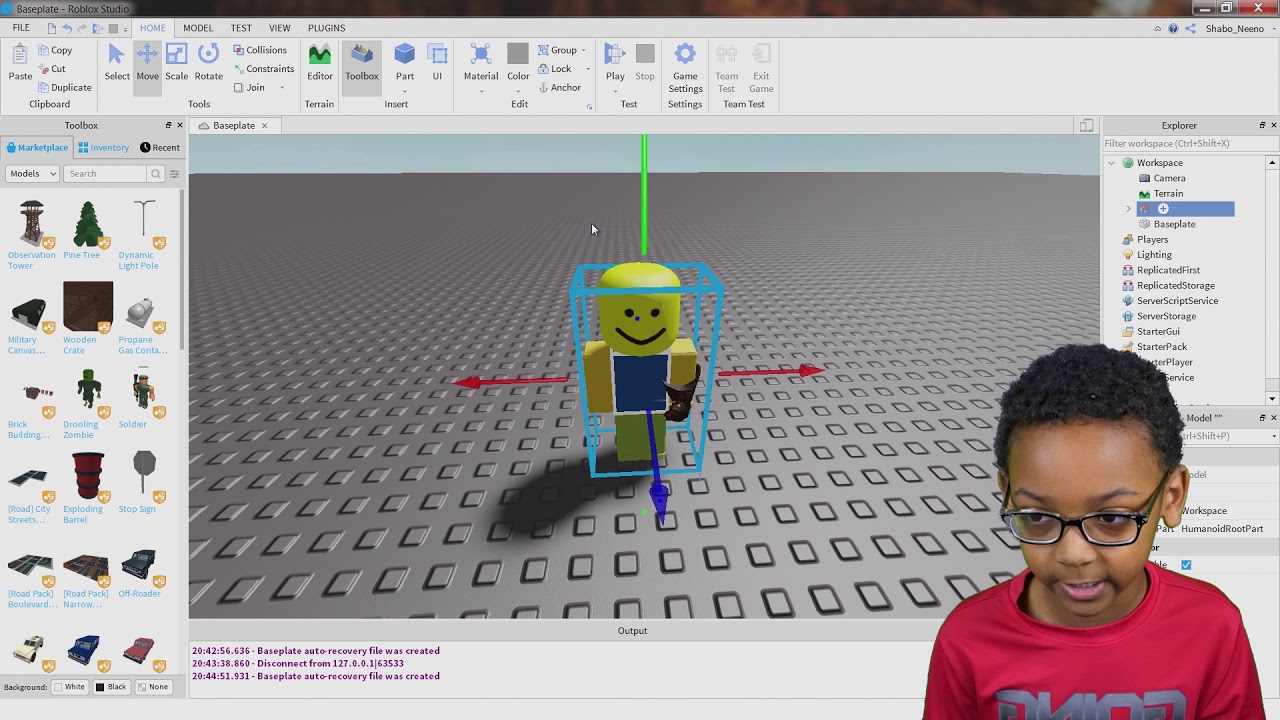
Getting started with 3D modeling directly within Roblox Studio is surprisingly accessible, making it a great entry point for busy gamers who want to dabble in creation without a steep learning curve. The primary tools you'll use are 'Parts' and 'Unions'.
- Insert Parts: Navigate to the 'Home' tab and click 'Part'. You can choose from basic shapes like Block, Sphere, Wedge, or Cylinder.
- Manipulate: Use the 'Move', 'Scale', and 'Rotate' tools (also on the 'Home' tab) to position, resize, and orient your parts. Precision is key, so don't rush this step.
- Color and Material: In the 'Properties' window (View tab > Properties), you can change the part's color and material (e.g., Plastic, Metal, Wood) to give it a distinct look.
- Combine with Unions: To create more complex shapes, select multiple parts and go to the 'Model' tab. Click 'Union' to merge them into a single object. You can also 'Negate' a part and then 'Union' it with another to cut out shapes, perfect for crafting intricate designs like windows or doorways.
This foundational method allows for rapid prototyping and building entire structures or props without ever leaving the Studio environment. It’s perfect for crafting game elements during short bursts of creative time.
What Tools and Software Are Best for Roblox 3D Model Design?
While Roblox Studio's native tools are excellent for starting out, more experienced creators or those seeking higher fidelity often turn to external software. The choice depends on your goals and comfort level.
- Roblox Studio (Built-in): Ideal for beginners, quick prototyping, and simpler geometric models using 'Parts' and 'Unions'. It’s integrated, meaning no export/import headaches, and great for understanding fundamental 3D concepts.
- Blender (External): This is the undisputed champion for professional-grade Roblox 3D model creation. It’s free, open-source, and incredibly powerful. Blender allows for complex organic shapes, detailed texturing, rigging, and animation. Most high-quality assets you see in popular Roblox games are likely created or refined in Blender. It has a steeper learning curve, but the creative possibilities are limitless.
- Other CAD/Modeling Software: Programs like Maya, 3ds Max, or SketchUp can also be used, though they are typically paid and often overkill for Roblox-specific development unless you're already proficient. They offer similar capabilities to Blender for modeling, but Blender's specific Roblox export plugins and community support often make it the preferred choice.
For gamers balancing life, starting with Studio's native tools is wise. Once you're ready to invest more time in skill-building, transitioning to Blender offers the biggest reward in terms of asset quality and flexibility.
How Do I Import Custom 3D Models into Roblox from External Software?
Bringing your intricately designed 3D models from external software like Blender into Roblox Studio involves a few crucial steps. This process transforms your external creation into a 'MeshPart' within your Roblox experience, significantly elevating your game's visual appeal.
- Export from External Software: In your 3D modeling program (e.g., Blender), ensure your model is properly UV unwrapped and has its textures correctly assigned. Export the model as an FBX file. FBX is generally preferred over OBJ because it can carry more information, including animations and multiple materials, crucial for complex Roblox 3D models. Make sure to embed textures if your software allows, or export them separately.
- Prepare in Roblox Studio: Open your desired place in Roblox Studio. Navigate to the 'View' tab and click 'Asset Manager'.
- Import into Studio: In the Asset Manager window, click the 'Bulk Import' button (a folder icon with an arrow). Select your exported FBX file(s). Roblox Studio will then process the mesh and any associated textures.
- Insert into Workspace: Once imported, your model will appear in the Asset Manager. Right-click on it and select 'Insert' to place it directly into your workspace. It will appear as a 'MeshPart'.
- Apply Textures and Materials: If your textures weren't embedded or you want to use Roblox's PBR materials, you can manually assign them in the 'Properties' window of your MeshPart. Adjust its 'Material' property and apply image IDs for 'TextureId', 'NormalId', 'RoughnessId', etc.
This method empowers you to create truly unique assets that stand out, adding a professional polish to your games and making the most of your creative efforts.
What Are the Best Practices for Optimizing Roblox 3D Models for Performance?
Performance optimization is paramount for any game, especially on Roblox where players access experiences across a wide range of devices, from high-end PCs to older mobile phones. Over 60% of US gamers rely on mobile for at least some of their gaming, highlighting the need for lean, efficient Roblox 3D models. A laggy game is a quickly abandoned game, wasting both your and your players' valuable time.
- Reduce Polygon Count: This is the golden rule. High-polygon models are performance killers. Use only as many vertices and faces as necessary to convey your model's detail. Employ techniques like 'decimation' in Blender to reduce poly count without significant visual loss for background assets.
- Efficient Texturing: Utilize texture atlases (combining multiple textures into one sheet) to reduce draw calls. Use smaller texture resolutions where appropriate. Roblox's PBR (Physically Based Rendering) materials are great, but don't overdo complex material setups on every single object.
- Level of Detail (LOD): Implement LOD for distant objects. Roblox Studio has an automatic LOD system for MeshParts, but you can also manually create simpler versions of your models that swap in when the player is far away.
- Collision Fidelity: Adjust the 'CollisionFidelity' property of your MeshParts. For complex shapes that players don't interact with precisely, setting it to 'Box' or 'Hull' instead of 'Default' (which creates a more accurate but performance-heavy mesh collider) can save significant resources.
- Consolidate Meshes: Instead of importing dozens of small, individual MeshParts for a single object (like a tree with separate leaves), combine them into one larger mesh where possible. This reduces the number of objects Roblox needs to render.
- Avoid Excessive Transparency: Transparent parts are often more computationally expensive to render. Use them judiciously.
By following these best practices, you ensure your game runs smoothly, providing a relaxing and enjoyable experience for all players, regardless of their hardware.
How Can I Ensure My Roblox 3D Models Look Great Across All Devices?
Creating Roblox 3D models that look consistent and appealing across diverse platforms – from high-resolution PC monitors to smaller mobile screens – requires foresight during the design and optimization process. This is critical as cross-play and mobile gaming continue to dominate, with many adult gamers using their phones for quick gaming sessions.
- Maintain Consistent Scale: Design your models with a consistent scale from the outset. Roblox Studio uses studs as its unit, so understand how your external software's units translate. This prevents issues where models appear too big or small on different screen sizes or when imported into various games.
- Use Textures Wisely: High-resolution textures might look fantastic on a large monitor but can be overkill and performance-heavy on mobile. Consider using a balanced resolution or even slightly lower resolutions for mobile-first experiences. Ensure your textures are readable even when scaled down on smaller screens.
- Simplify Geometry for Mobile: While you want detail, overly complex geometry can tax mobile GPUs. Prioritize essential details and consider making simplified versions of certain assets for mobile-specific optimization, even if you don't use a formal LOD system.
- Test on Multiple Devices: The absolute best way to ensure cross-device compatibility is to test your game on various devices: a desktop PC, a laptop, a tablet, and a smartphone (both iOS and Android if possible). Pay attention to frame rates, loading times, and visual glitches. Roblox Studio's 'Emulator' (Test tab > Devices) can simulate different screen sizes and input methods.
- Consider Screen Space UI for Interactions: If your models have interactive elements, ensure the clickable areas or associated UI elements are large enough for touch input on mobile devices, preventing frustrating experiences for players.
Thoughtful design and testing ensure that your Roblox 3D models contribute to a universally enjoyable gaming experience, demonstrating value for money by reaching the widest possible audience.
Where Can I Find or Sell Pre-Made Roblox 3D Models and Assets?
For gamers short on time but keen to enhance their Roblox creations, or for talented modelers looking to monetize their skills, there are vibrant marketplaces for pre-made Roblox 3D models and assets. This taps into the creator economy, allowing for both efficient development and earning potential.
- Roblox Creator Marketplace (formerly Developer Marketplace): This is the official hub within Roblox Studio. Developers can upload and share their models, plugins, audio, and more. You can find a vast array of free and paid assets here. It's a fantastic resource for everything from environmental props to character accessories, often peer-reviewed and integrated seamlessly into Studio.
- Roblox Developer Forum: While not a direct marketplace, the forum has sections where creators showcase their work and sometimes offer models for sale or collaborate on projects. It's a great place for networking and finding unique assets not yet widely publicized.
- External Asset Stores (e.g., Sketchfab, TurboSquid): While these platforms aren't Roblox-specific, you can find generic 3D models that can be imported into Roblox, provided they meet file format (FBX/OBJ) and polygon count requirements. You'll need to ensure the licensing allows for game development use.
- Freelance Platforms (e.g., Upwork, Fiverr): If you need a custom model made, or want to offer your modeling services, these platforms connect modelers with developers. This is a great way to earn some extra income from your skills, aligning with the desire for skill-building and value for money.
Whether buying or selling, always check licensing terms and asset quality to ensure a smooth integration into your projects.
What Are Common Challenges When Working with Roblox 3D Models and How Do I Solve Them?
Even seasoned creators encounter hurdles when working with Roblox 3D models. Understanding these common pain points and their solutions can save you hours of frustration and keep your creative flow going, especially when you only have limited time for gaming and development.
- Incorrect Scaling or Orientation: Models imported from external software often appear too large, too small, or rotated incorrectly. Solution: In your external software (e.g., Blender), ensure you apply scale transformations before exporting. Many programs export with Z-up, while Roblox is Y-up; adjust export settings or rotate in Studio. Consistently use real-world units or scale guides during creation.
- Bad Collision: Players falling through objects, or hitboxes being inaccurate. Solution: Check the 'CollisionFidelity' property of your MeshPart in Studio. For detailed collisions, set it to 'Default' or 'PreciseConvexDecomposition'. For simple objects, 'Box' or 'Hull' are more performant. For very complex geometry, sometimes disabling collisions and using invisible 'Parts' as custom hitboxes is the best approach.
- Texture Issues: Textures not appearing, looking stretched, or incorrect. Solution: Ensure your model is properly UV unwrapped in your external software. Verify texture file paths and IDs in Roblox Studio. Make sure the texture resolution is appropriate and that image files are correctly linked in the MeshPart's properties.
- Performance Lag: Game running slowly due to too many models. Solution: Revisit optimization best practices: reduce polygon count, use LOD, consolidate meshes, and check transparency usage. Use Roblox Studio's 'Developer Console' (F9) to monitor performance stats and identify bottlenecks.
- Z-Fighting (Flickering Surfaces): Two surfaces occupying the exact same space, causing visual flicker. Solution: Slightly offset one surface from the other. Ensure you're not duplicating parts or meshes directly on top of each other.
Troubleshooting these issues effectively is a valuable skill that enhances your ability to create high-quality, enjoyable experiences.
How Can Roblox 3D Modeling Skills Enhance My Gaming and Creative Journey?
Beyond simply playing games, developing Roblox 3D modeling skills can significantly enrich your overall gaming and creative journey. For the average gamer who balances a busy life, this isn't just about making games; it's about skill-building, creative expression, and even social connection.
- Unlocking True Customization: Tired of generic avatar items or limited game environments? With modeling skills, you can create truly unique items for your avatar, custom props for your personal game, or even entire bespoke worlds that reflect your specific vision.
- Deepening Game Understanding: By learning how assets are constructed, you gain a deeper appreciation for the games you play. You'll recognize efficient design, understand performance bottlenecks, and see the artistry behind complex virtual environments. This transforms passive consumption into active, informed appreciation.
- Creative Outlet and Stress Relief: For many, creating something from scratch is a powerful form of relaxation and stress relief. Roblox 3D modeling offers a structured yet flexible creative outlet, allowing you to bring ideas to life without the pressure of a traditional art career. It’s a productive escape from daily responsibilities.
- Social Connection and Collaboration: The Roblox developer community is vast and supportive. Engaging with 3D modeling opens doors to collaboration, sharing knowledge, and even forming development teams. It's a way to connect with like-minded individuals, building friendships and achieving common goals within a social gaming context.
- Potential for Monetization and Skill Transfer: As discussed, strong modeling skills can lead to earning Robux or even real-world income through the Creator Marketplace or commissions. Moreover, 3D modeling is a highly transferable skill, applicable to other game engines, animation, industrial design, and more, adding tangible value to your personal development.
Investing in Roblox 3D models is not just about a game; it's about investing in yourself as a creative, a problem-solver, and a valued member of a vibrant online community.
What's the Future of Roblox 3D Models and Creator Opportunities?
The landscape of Roblox 3D models is constantly evolving, driven by technological advancements and the platform's commitment to empowering creators. Looking ahead to 2026 and beyond, we can anticipate even more sophisticated tools and expanded opportunities for modelers.
- Enhanced Realism and PBR: Roblox is continuously improving its rendering capabilities, with Physically Based Rendering (PBR) becoming more sophisticated. This means models can achieve incredibly realistic textures and lighting, blurring the lines between user-generated content and professional game assets. Future updates will likely make PBR workflows even more intuitive.
- AI-Assisted Creation: The rise of AI in content generation will undoubtedly impact 3D modeling. We might see AI tools that can generate basic meshes, optimize models, or even suggest textures, speeding up the creation process for busy developers. This won't replace human creativity but will augment it, making advanced modeling more accessible.
- Immersive Experiences (VR/AR): As VR experiments and AR adoption grow, the demand for highly optimized and immersive 3D models suitable for these platforms will increase. Roblox's push into immersive experiences means models will need to be performant and visually impactful in a 360-degree environment.
- Expanded Creator Marketplace: The Creator Marketplace is set to grow, offering more robust features for buying, selling, and licensing assets. This will further cement 3D modelers' roles in the creator economy, providing more avenues for monetization and collaboration. Expect more curated content and easier discovery of quality assets.
- User-Generated Content (UGC) for Avatars: The expansion of UGC for avatar items means more opportunities for modelers to design clothing, accessories, and even custom body parts that players can purchase and use across the platform. This is a huge win for creative expression and direct monetization for individual artists.
The future for Roblox 3D models is bright and full of potential. Staying current with these trends will ensure you remain at the forefront of creation, making your time spent in Roblox Studio an exciting investment in the digital frontier.
FAQ Section
What is a MeshPart in Roblox?
A MeshPart is a special type of Part in Roblox Studio that uses a custom 3D mesh, typically imported from external software like Blender. It allows for highly detailed and complex geometries that cannot be easily created with Roblox's native primitive parts, making it essential for advanced Roblox 3D models.
Can I use Blender for Roblox 3D modeling?
Yes, Blender is one of the most popular and recommended external software tools for creating advanced Roblox 3D models. It's free, powerful, and allows you to design intricate meshes, apply detailed textures, and even animate before importing your creations into Roblox Studio as FBX files.
How do I make a custom avatar accessory in Roblox?
To make a custom avatar accessory in Roblox, you typically design the 3D model in external software like Blender, ensuring it fits the Roblox avatar body proportions. You then import it into Roblox Studio as a MeshPart and use the 'Accessory' object to attach it to an avatar, publishing it as a UGC item if you have the necessary permissions.
What are the file size limits for Roblox 3D models?
While specific file size limits for individual Roblox 3D models (MeshParts) can vary and evolve, it's generally advised to keep them under 20,000 triangles for optimal performance, especially for mobile devices. Larger models are possible but require careful optimization to avoid performance issues.
Are free Roblox 3D models safe to use?
Many free Roblox 3D models from the Creator Marketplace are safe and useful. However, always exercise caution. Check the creator's reputation, examine the model's properties for malicious scripts, and use common sense. A quick scan of scripts or an inspection of performance impact can prevent issues.
How do I update an existing 3D model in Roblox Studio?
To update an existing 3D model (MeshPart) in Roblox Studio, you usually re-export the modified model from your external software with the exact same name and then re-import it via the 'Asset Manager', overwriting the previous asset. The changes should then propagate to instances of that MeshPart in your game automatically after a Studio restart or manual refresh.
You've taken the first big step into understanding the power behind Roblox's limitless creativity. Mastering Roblox 3D models isn't just about building; it's about unlocking new ways to enjoy your favorite platform, express yourself, and even connect with a thriving community. It's about turning passive playtime into productive skill-building, without sacrificing your precious work-life balance. Now that you're armed with this knowledge, what's the first amazing 3D model you're going to create or implement in your Roblox experience? Don't let those ideas just sit there! Dive in and start building your dream worlds. What's your biggest gaming challenge when it comes to creating? Comment below!
Related games- Guide Does Amazon Prime Gaming Cost Extra
- Guide Amethystbetaga Roblox 2026 Tips Tricks
- Guide GTA 6 System Requirements Windows 10 PC
- Guide to ajc010406 Roblox Unmasking the Mystery
- Guide To Roblox Cloning Script Best Practices 2026
Roblox 3D models are fundamental assets for game creation and customization within the Roblox platform. Creators use Roblox Studio to design, import, and manipulate these models, shaping everything from environments and characters to items and special effects. Understanding 3D modeling is crucial for aspiring developers seeking to build engaging experiences and tap into the platform's robust creator economy. Players also benefit from understanding how models influence game quality and performance. This guide provides practical steps, tips, and troubleshooting advice for leveraging Roblox 3D models effectively, covering creation, optimization, and integration for enhanced gaming and development.
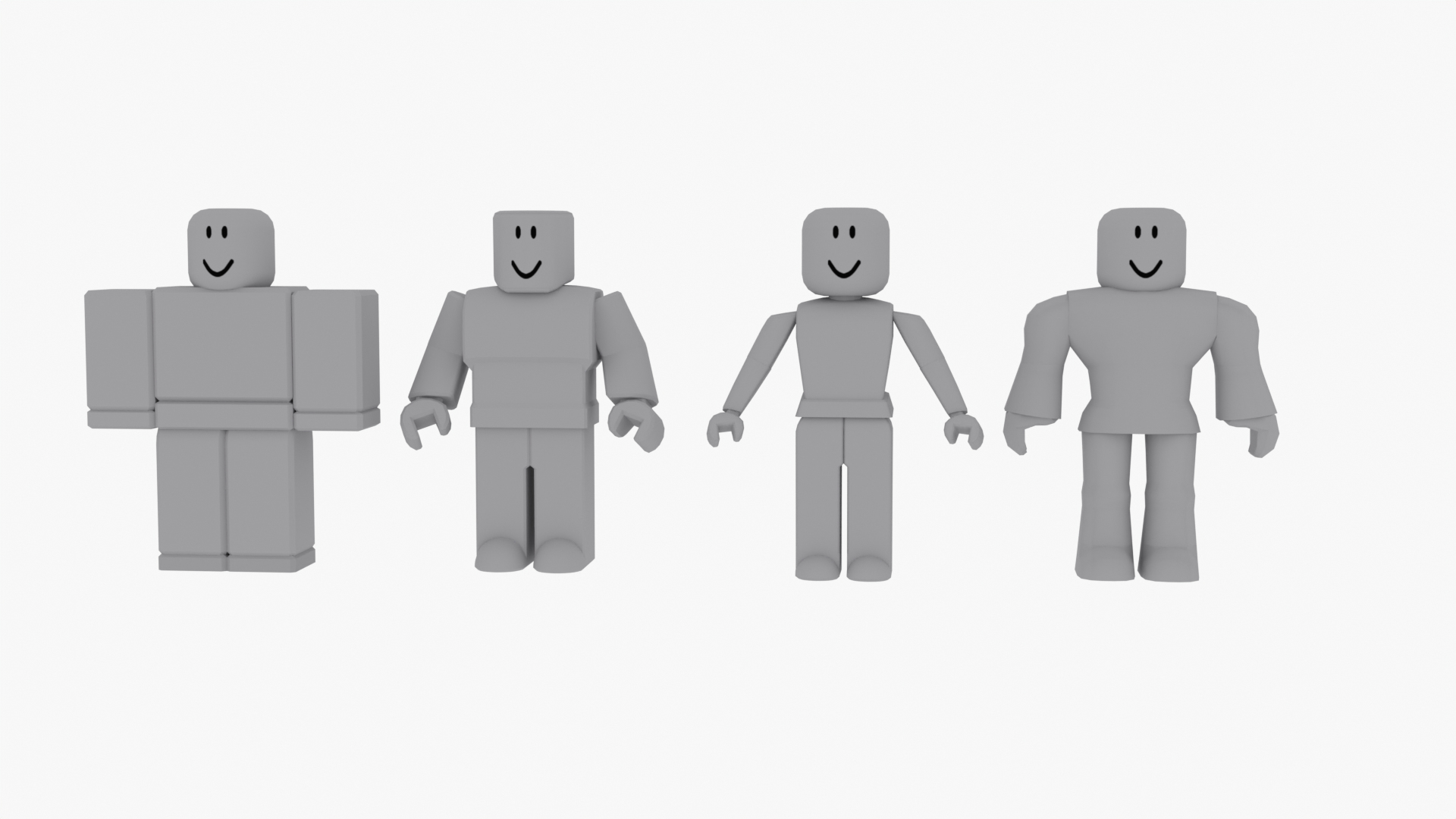
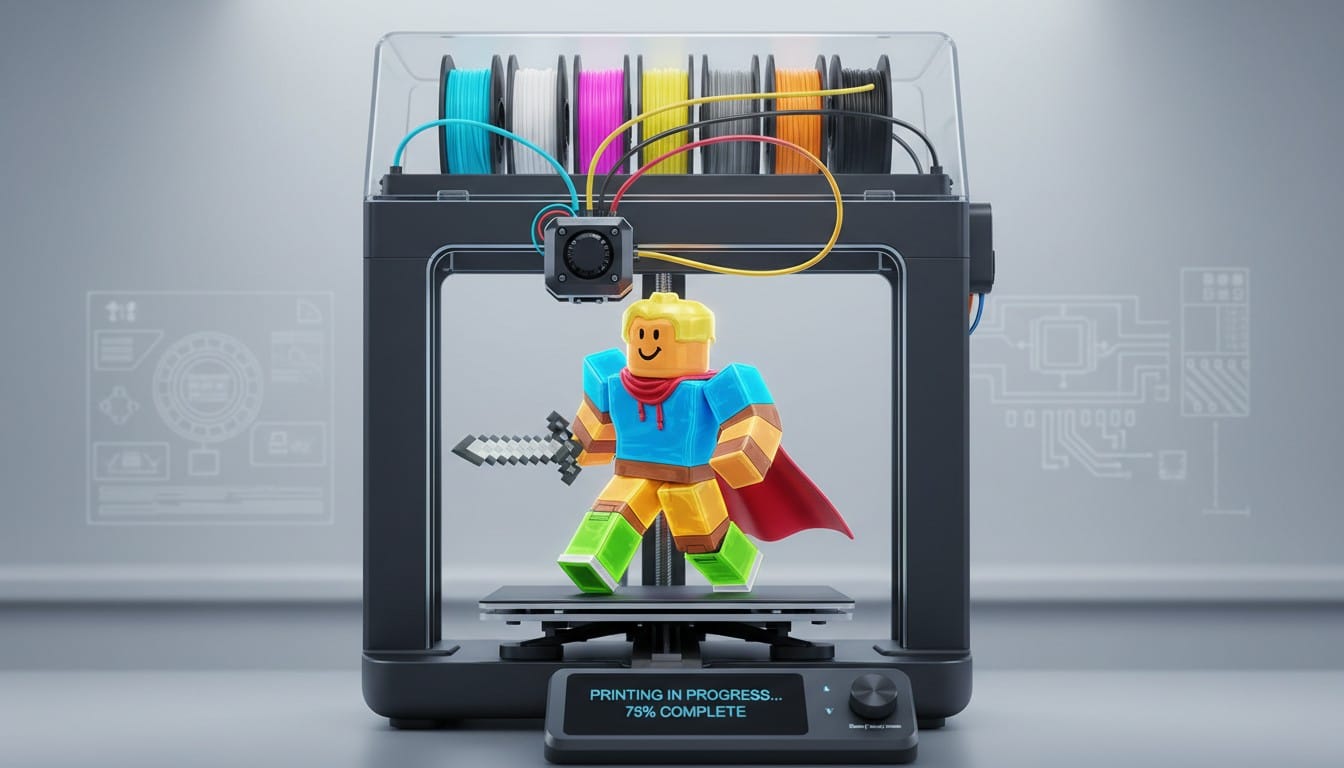
Roblox Create Custom Roblox 3D Models And 3D Print Your Avatar Image 11 4 R6 Roblox Rig 3D Model TurboSquid 2153921 Headshot
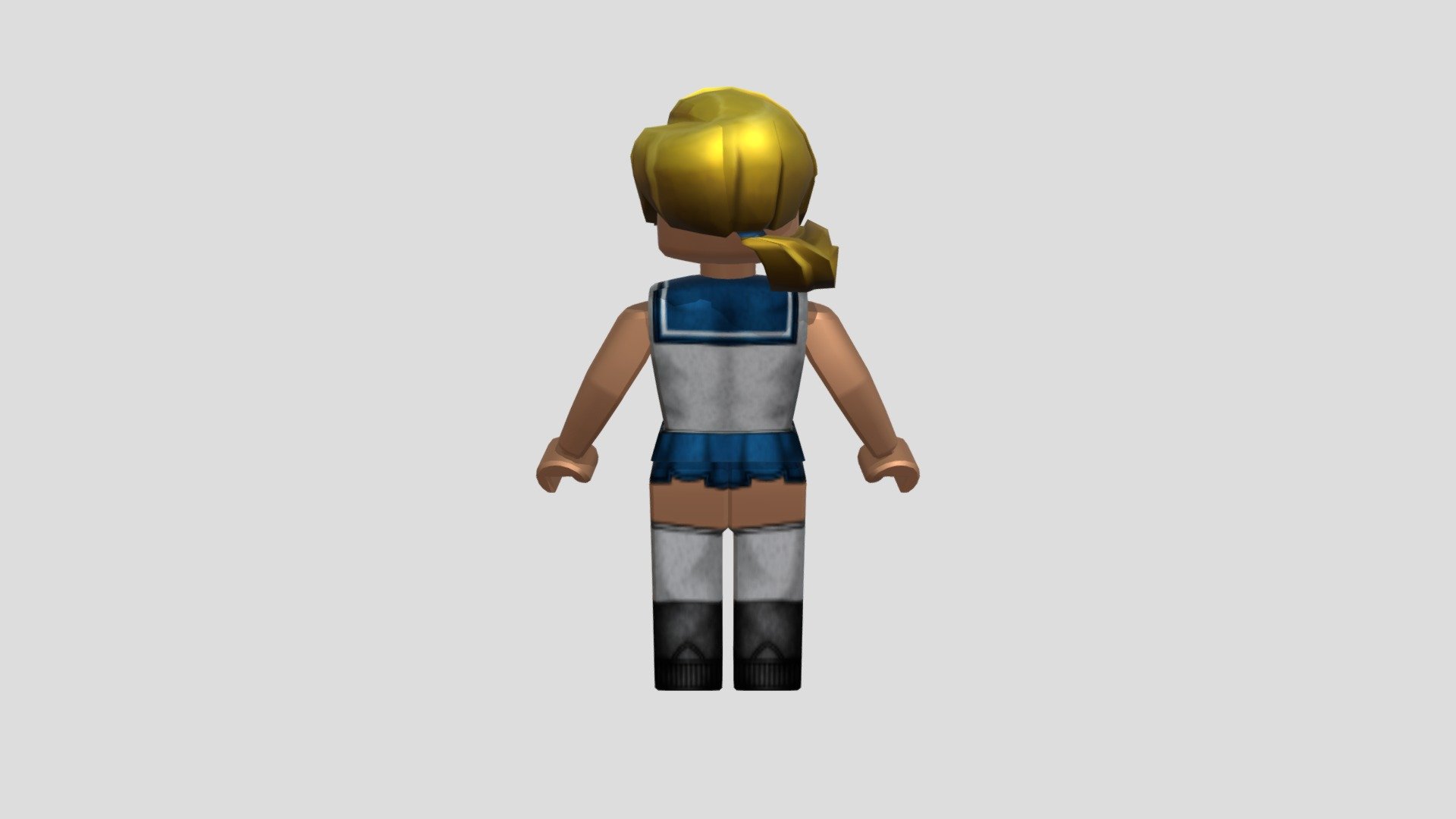
Roblox Download Free 3D Model By Bkalball Eyadhanaa5 873ec0c Roblox Studio Mesh 2026 3D Models Page 1 STLFinder Roblox Base Mesh Fo9ki7tj 200 Create Roblox Model Realistic Ugc Model 3d Model Design For Your Create Roblox Model Realistic Ugc Model 3d Model Design For Your Roblox Game Roblox A 3D Model Collection By Cleverus7 Sketchfab
Roblox Download Free 3D Model By JOAOUWU32 828b44e Sketchfab Roblox 3D Models To Blender Tutorials Tips And Tricks Blender Roblox A 3D Model Collection By Tjgaming761 Sketchfab ROBLOX A 3D Model Collection By Zia35110 Sketchfab
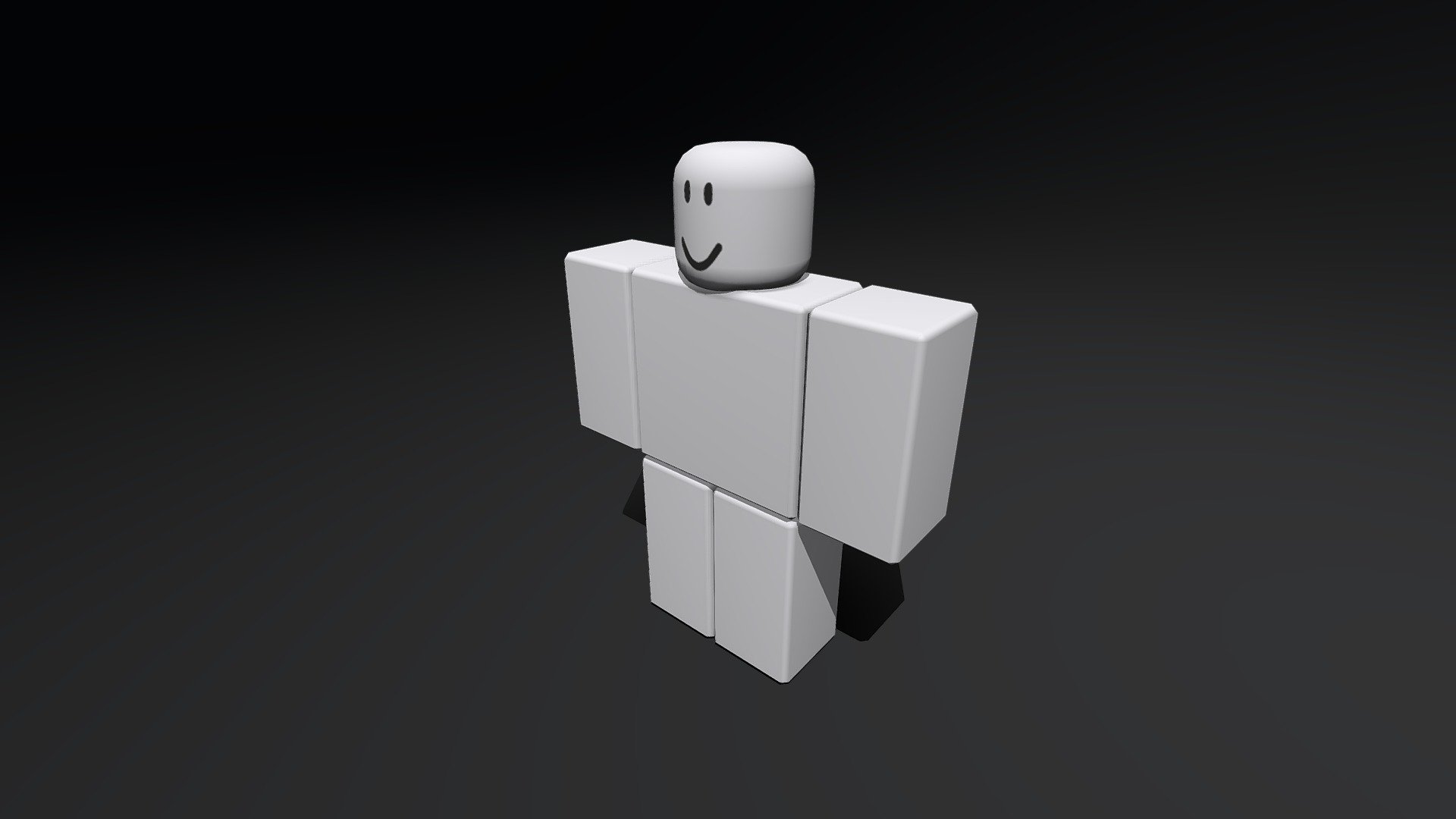
Roblox R6 Rigged 3D Model By SonicNile A2c8cda Sketchfab 100 Unofficial Roblox Annual 2026 Brand New For 2025 The Iconic SL1500 Create Custom Roblox 3D Models And 3D Print Your Avatar Image 06 13 Roblox Models 3D Models Sketchfab
What Exactly Is A Roblox Default Avatar Mastering Roblox 3D Modelling How Can You Create Amazing Worlds Create 3d Roblox Ugc Model Roblox Clothing Roblox Map Roblox 3d Model Roblox Mastering Roblox 3D Modelling How Can You Create Amazing Worlds Roblox Window.webpCreate Custom Roblox 3D Models And 3D Print Your Avatar Banner 12
Roblox Base Toys Set PBR 3D Model By Danyelon Roblox Base Toys Set Low Poly 3d Model 14 Create Roblox Model Realistic Ugc Model 3d Model Design For Your Create Roblox Model Realistic Ugc Model 3d Model Design For Your Roblox Game AI Roblox 3D Model Generator Create Assets Fast 2026 Hyper3D Blog 95 Roblox 3d Model.md How To Create Roblox 3D Models 3 Ways Step By Step Blog Meshy Roblox 3d Model Cover.webp
How To Make A Game On Roblox In 2026 The Complete Beginner S Guide ImageRoblox R6 3D Model By Roblox Robloxs 3a5afad Sketchfab Mastering Roblox 3D Modeling From Concept To Creation 3D Ace Studio Roblox 3d Modeling Sm Post Create Custom Roblox 3D Models And 3D Print Your Avatar Image 04 12
3D ROBLOX Models TurboSquid 2268276 8 Mastering Roblox 3D Modelling How Can You Create Amazing Worlds Roblox 1 Create Your Dream Roblox World How To Create Roblox 3D Models Scr Rivals Script Roblox 2026 March 3D Models Page 1 STLFinder Roblox YFyRQuC6 200
Roblox 3D Model Blender H Ng D N T O M H Nh 3D Cho Roblox B Ng Blender Mastering Roblox 3D Modeling From Concept To Creation 3D Ace Studio Roblox 3d Environment Modeling Roblox Model 3D Model CGTrader Roblox Model 3d ModelRoblox Avatar Dolacici 2026 Image 3D Models Page 1 STLFinder Roblox Avatar D3qSmEbM 200