Navigating the world of highend gaming pcs can feel overwhelming, especially when balancing performance with real-life commitments. This comprehensive guide is tailored for the average gamer around 36 years old, who dedicates 10+ hours weekly to gaming and seeks both relaxation and skill development. We address common pain points like optimizing performance for limited play sessions, budget-friendly upgrade paths, and ensuring your system stays current without falling for every hype cycle. Learn how to select the best components, troubleshoot common issues, and make informed decisions to enhance your gaming experience. Our aim is to provide practical, actionable advice that empowers you to get the most out of your high-end gaming PC, transforming your gaming time into pure enjoyment. Discover solutions to setup challenges, find games suitable for your busy schedule, and optimize your rig for peak performance in today's demanding titles. This is your go-to resource for mastering highend gaming pcs.
Are you one of the millions of US gamers who, like us, finds themselves balancing raid nights with family dinners, or squeezing in competitive matches after a long day at work? You're not alone. The average gamer is now around 36, and many of us dedicate upwards of 10 hours a week to our favorite virtual worlds. For us, gaming isn't just a hobby; it's a vital escape, a way to unwind, connect with friends, and even build new skills. But let's be honest: nothing kills that precious downtime faster than a stuttering frame rate, a game crash, or the nagging doubt that your expensive rig isn't performing as it should. Choosing and maintaining highend gaming pcs presents unique challenges, from navigating complex specifications to ensuring value for money. This article is your guide to cutting through the noise, offering practical solutions to common pain points, and helping you optimize your high-end gaming PC experience to truly maximize those valuable gaming moments.
We know you crave performance, but also appreciate smart spending and reliable setups. You want to stay current without buying into every piece of marketing hype. In an era where 87% of US gamers play regularly and mobile gaming still dominates, PC gaming continues to thrive, particularly in social and competitive arenas. We'll explore how to leverage the power of highend gaming pcs to elevate your experience, whether you're diving into the latest AAA titles, streaming your gameplay, or simply enjoying cozy co-op adventures with friends. Let's get started on making your high-end gaming PC truly work for you.
What Defines a High End Gaming PC in 2026?
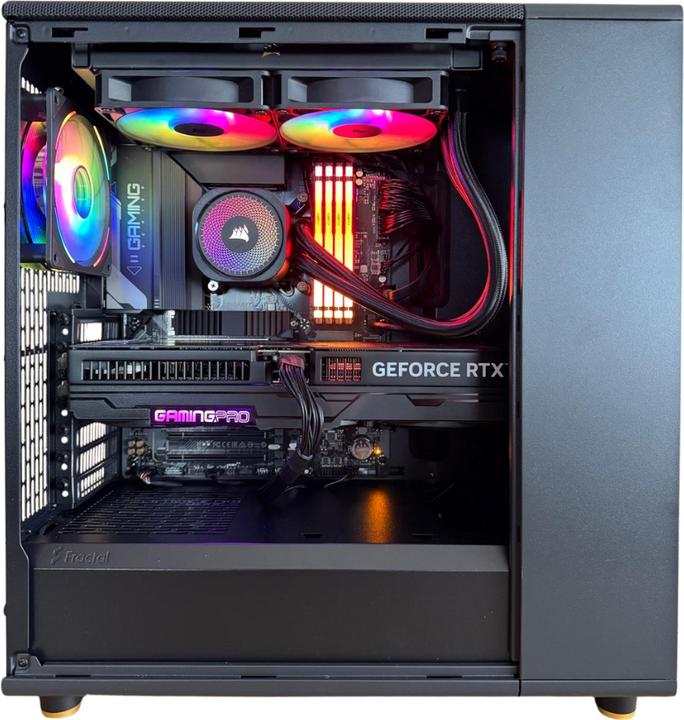
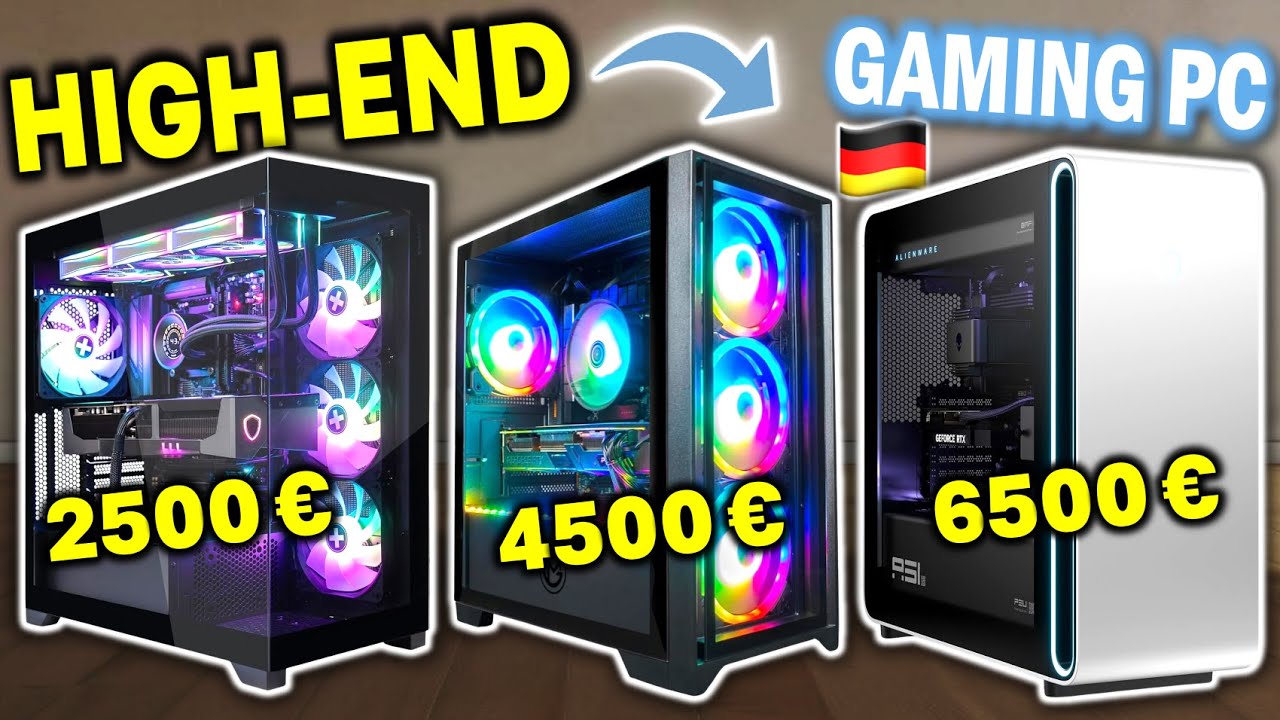
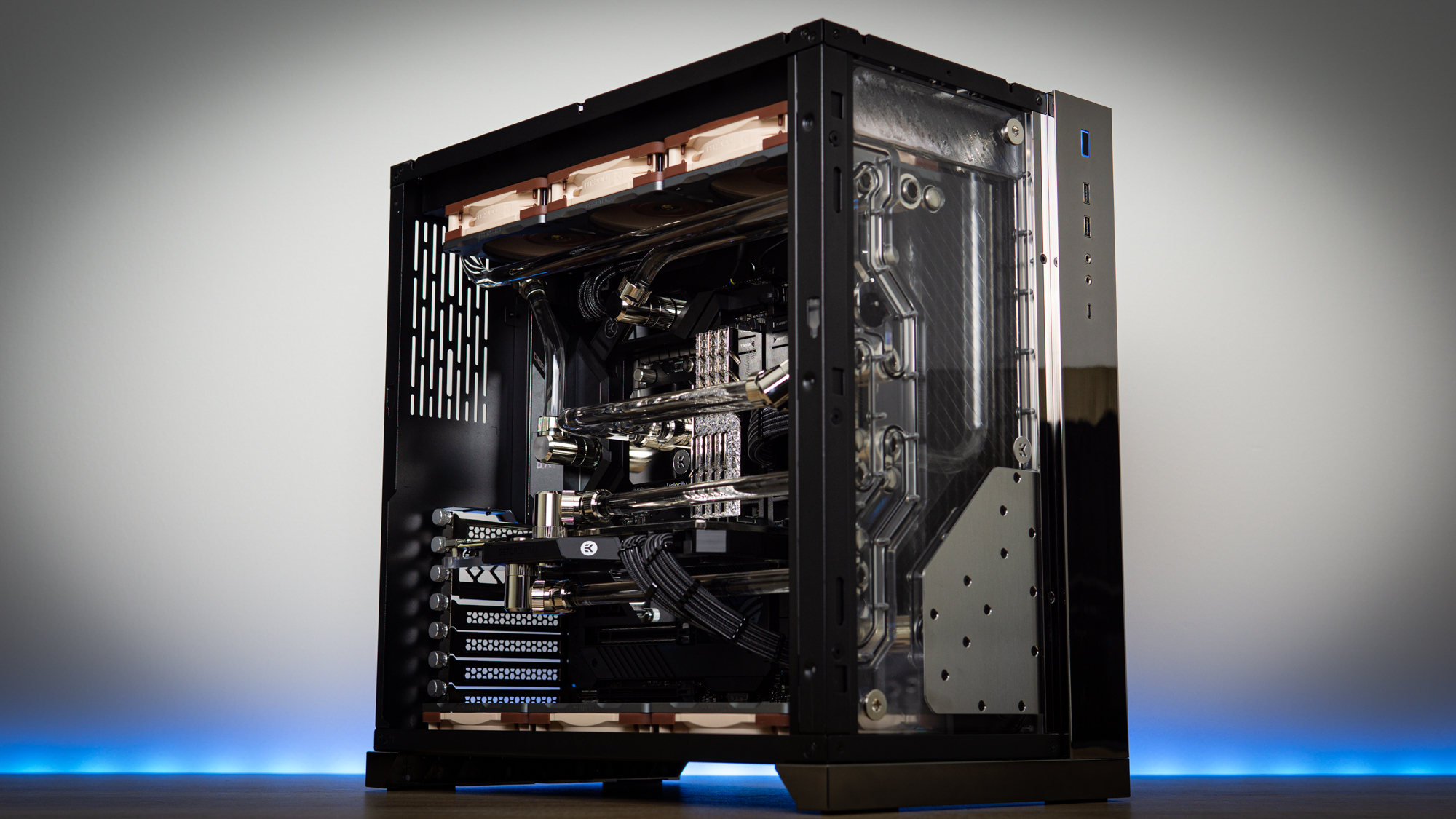
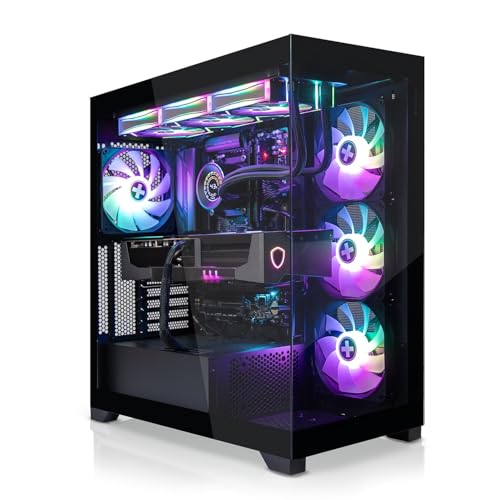
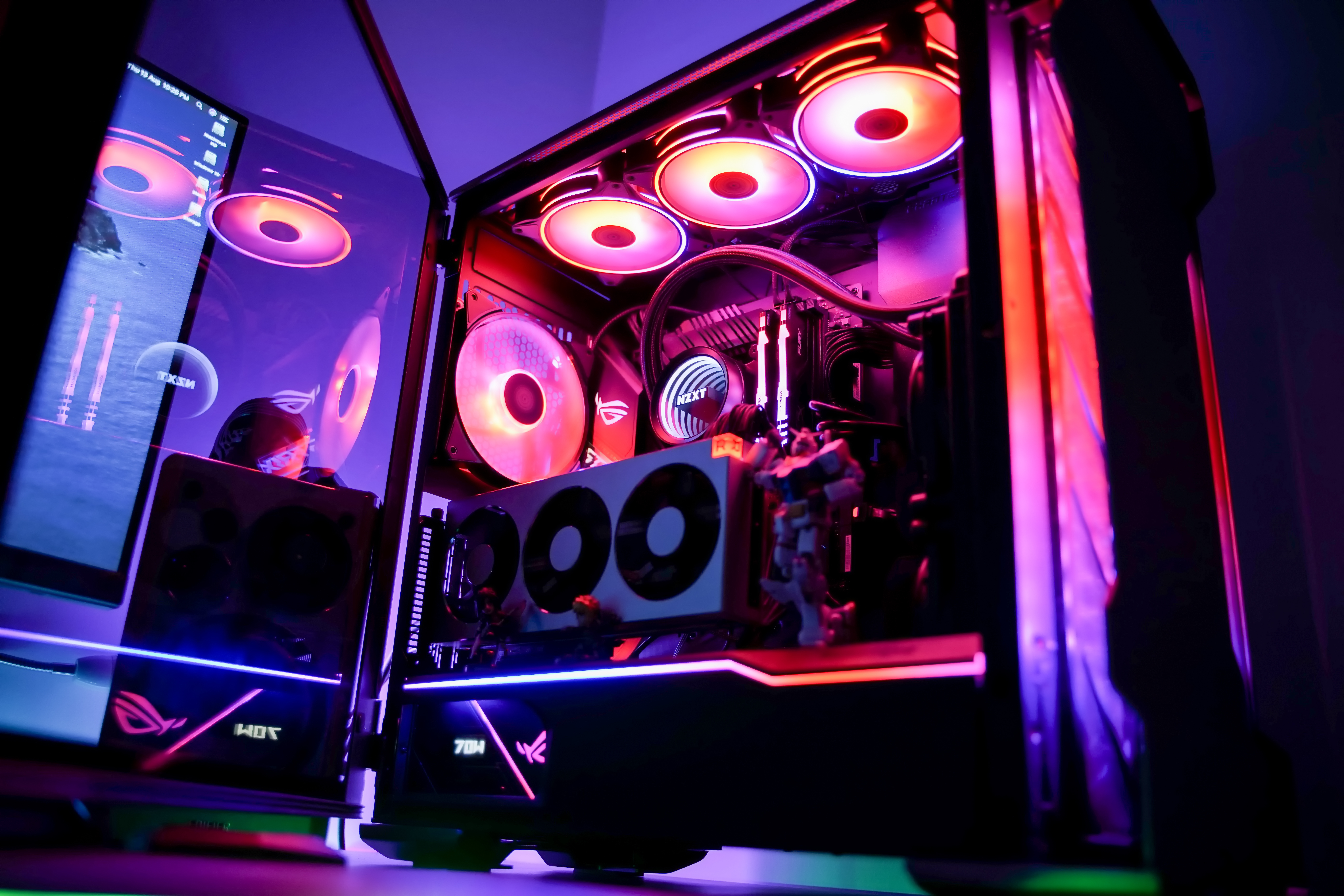
In 2026, a highend gaming pc goes beyond merely running games. It's a system designed for uncompromised performance at 4K resolution, high refresh rates (144Hz+), and seamless integration with demanding applications like streaming or VR. Typically, this means the latest generation flagship CPU (e.g., Intel Core i9 or AMD Ryzen 9), a top-tier GPU (like an NVIDIA RTX 5090 or AMD Radeon RX 8900 XT equivalent), 32GB to 64GB of DDR5 or DDR6 RAM, and a fast NVMe PCIe Gen5 SSD. Liquid cooling is almost standard for optimal thermal management, ensuring sustained performance during marathon sessions. These components work in harmony to deliver an immersive, lag-free experience, even in graphically intensive titles or when multitasking.
Why Invest in a High End Gaming PC When Consoles Are Cheaper?
While consoles offer excellent value, highend gaming pcs provide unparalleled versatility and performance that justify the higher investment for many adult gamers. PC gaming offers superior graphics fidelity and frame rates, often exceeding what current-gen consoles can achieve. Beyond raw power, a PC is a multi-purpose machine for work, content creation, and a vast library of games, including exclusive titles and modding communities. For those who enjoy esports, streaming, or building social connections through games like Valorant or Helldivers 2 on Discord, the customization, upgradability, and open ecosystem of a PC are invaluable. It’s an investment in a robust platform that adapts to your needs for years, not just a gaming device.
How Do I Future-Proof My High End Gaming PC Without Breaking the Bank?
Future-proofing your highend gaming pc is about making smart component choices rather than buying the absolute bleeding edge. Focus on a high-quality motherboard with good upgrade potential (e.g., supporting future CPU generations or faster RAM), a robust power supply unit (PSU) with plenty of wattage headroom (850W-1000W+), and a spacious, well-ventilated case. These foundational elements typically last through several upgrades. Prioritize the GPU and CPU for current performance, knowing these are the most frequent upgrade targets. Consider a larger NVMe SSD initially to avoid data migration later. When upgrading, monitor tech news from trusted sources rather than impulse buying. Waiting a few months after new releases can often provide better value and more stable drivers, saving you money in the long run.
What Are the Common Performance Bottlenecks in High End Gaming PCs?
Even with highend gaming pcs, bottlenecks can occur. The most common culprit is often the GPU, especially if you're pushing ultra settings at 4K. However, an underpowered CPU can also limit a high-end GPU's potential in CPU-intensive games or tasks. Insufficient or slow RAM (e.g., less than 32GB or slow DDR4 in a DDR5 system) can lead to stuttering, particularly in open-world titles. Another frequently overlooked factor is storage speed; a slower SSD or HDD can cause long load times and texture pop-in. Lastly, inadequate cooling can lead to thermal throttling, where components reduce their performance to prevent overheating. Regularly monitoring temperatures and usage can help identify these issues.
How Can I Balance My Gaming Time with Work and Family Responsibilities?
Balancing gaming with a busy life is a skill many adult gamers master. For those with highend gaming pcs, it's about making the most of limited windows. Consider Related games
- Guide How To Make Your Roblox Username Perfect
- How to Play Roblox with Friends: Easy Steps for Busy Gamers
- Guide to Roblox Glitchers Understanding the Phenomenon
- Guide to Gross Roblox Games For Adult Gamers
High-end gaming PC selection and optimization; Performance troubleshooting; Budget-friendly upgrades; Balancing gaming with life; Social gaming integration; Future-proofing your rig; US gaming trends.
15 Best High End Gaming PCs Of 2026 For Ultimate Performance A Luxury Top 15 Premium Gaming Pcs Xdnrh The 7 Best High End Gaming PCs Of 2026 Power Performance And Premium Gaming Pc Rankings Brcq5 The Best Gaming PC Of 2026 Top Prebuilt Desktops Gaming Pc
15 High End VR Ready Gaming PC Builds For 2026 That Elevate Gaming Premium 2026 Gaming Pc Builds L8j52 Best Prebuilt Gaming PCs In 2026 Complete Buyer S Guide After Testing Best Prebuilt Gaming PCs In 2026 Complete Buyers Guide After Testing 8 Systems Best RTX 5090 Prebuilt Gaming 2026 Our Top Picks For High End Gaming Best RTX 5080 Prebuilt Gaming Pc High End Gaming PC Test Vergleich Top 21 Im Juni 2026 Beastcom Q7 Hero
Best High End Gaming PCs 2026 RTX 5080 5090 Builds Untitled Design 61 1.webpThe 5 Best Gaming PCs Of 2026 Power Performance And Gaming Top 5 Gaming Pcs 2026 Fh2q5 Best Gaming PC Builds For 2026 Best Gaming PC Builds For 2026.webpThe Ultimate Gaming PC Build 2026 Guide By Xidax 1 Unnamed
Forza Horizon 6 Will Be Released On 19 May 2026 Open World Menue Banner HighEnd GamingPCs EN Best Gaming Computers In 2026 9meters Hpaq Kbcyhk 1536x1059 Best RTX 5090 Prebuilt Gaming 2026 Our Top Picks For High End Gaming Best Rtx 5070 Prebuilt Gaming Pc The Best Presidents Day 2026 Gaming PC Laptops And Component Deals
Best Gaming PC For Competitive Gaming 2026 Hardware Guide The Best Gaming PC For Competitive Gaming 2026 Performance Guide.webpBest For Gaming PCs In 2026 Intel AMD Guide Motherboard For Gaming Pcs In 2026.webpAvlano WOOD XTREME 2026 Ed High End Gaming PC RTX 5090 500 GB 64 GB 019ae722 8d04 7db8 8096 720 10 Best Custom Liquid Cooled Gaming PCs April 2026 Complete Guide Best High End Handheld Gaming PCs With OLED 1024x559
7 Best Gaming PCs Of 2026 Power Performance And Value Revealed Top Gaming Pcs 2026 1lmv2 High End Gaming PC Test Vergleich Top 21 Im Juni 2026 Systemtreff 30236041 A The Best Gaming PC Builds For 2026 Top Picks And Reviews Best Pc Build 15 High End VR Ready Gaming PCs For 2026 That Gamers Swear By StrongMocha Top Vr Gaming Pcs 4h112
5 Mejores PCs De Juegos 2026 Gaming Net Ella Don 0oqMvhc1ntw Unsplash Scaled Build PC 2026 Per GTA VI Potenza Massima E Bolletta Minima Generated Images 6Most Expensive Gaming PCs 2026 Expert Reviews Comparisons Featured Image Phvnq Fv 10 Best High End Gaming PCs Of 2026 For Hardcore Gamers StrongMocha High Performance Gaming Desktop Umttc
10 Best High End Gaming PCs Of 2026 For Hardcore Gamers StrongMocha Top Premium Gaming Computer List X6akm High End Gaming PC Test Vergleich Top 21 Im Juni 2026 High End Gaming Pc 15 Best High End Gaming PCs Of 2026 For Ultimate Gaming Performance Premium 2026 Gaming Pc List P6xej The Best Gaming Desktops 2026 Top 10 Gaming Desktops Buy Now Guide
Die Besten HIGH END GAMING PCs 2026 Top 3 Premium Gaming Computer Best PC Builds For Gaming 2026 Ultimate Guide To Building Your Dream Best PC Builds For Gaming 2026 1024x683 12 Best Compact Gaming PCs For 2026 Reviews Mill Compact Gaming Pcs 2026 Te8ov